

 Reviews
Showing 41-50 of 235 articles.
How Often Should Sod Be Watered Right After Installation?
Published on Saturday, November 15, 2025

Sod is a great way to achieve an instantly beautiful lawn on your property in Oregon, but it's important to know how often you should water it right after installation. On the day of installation, you'll want to water it deeply to help encourage it to begin establishing roots in the soil. For the first two weeks after installation, you'll want to water your sod several times...
How Often Should Lawns in Oregon Be Mowed?
Published on Friday, November 14, 2025
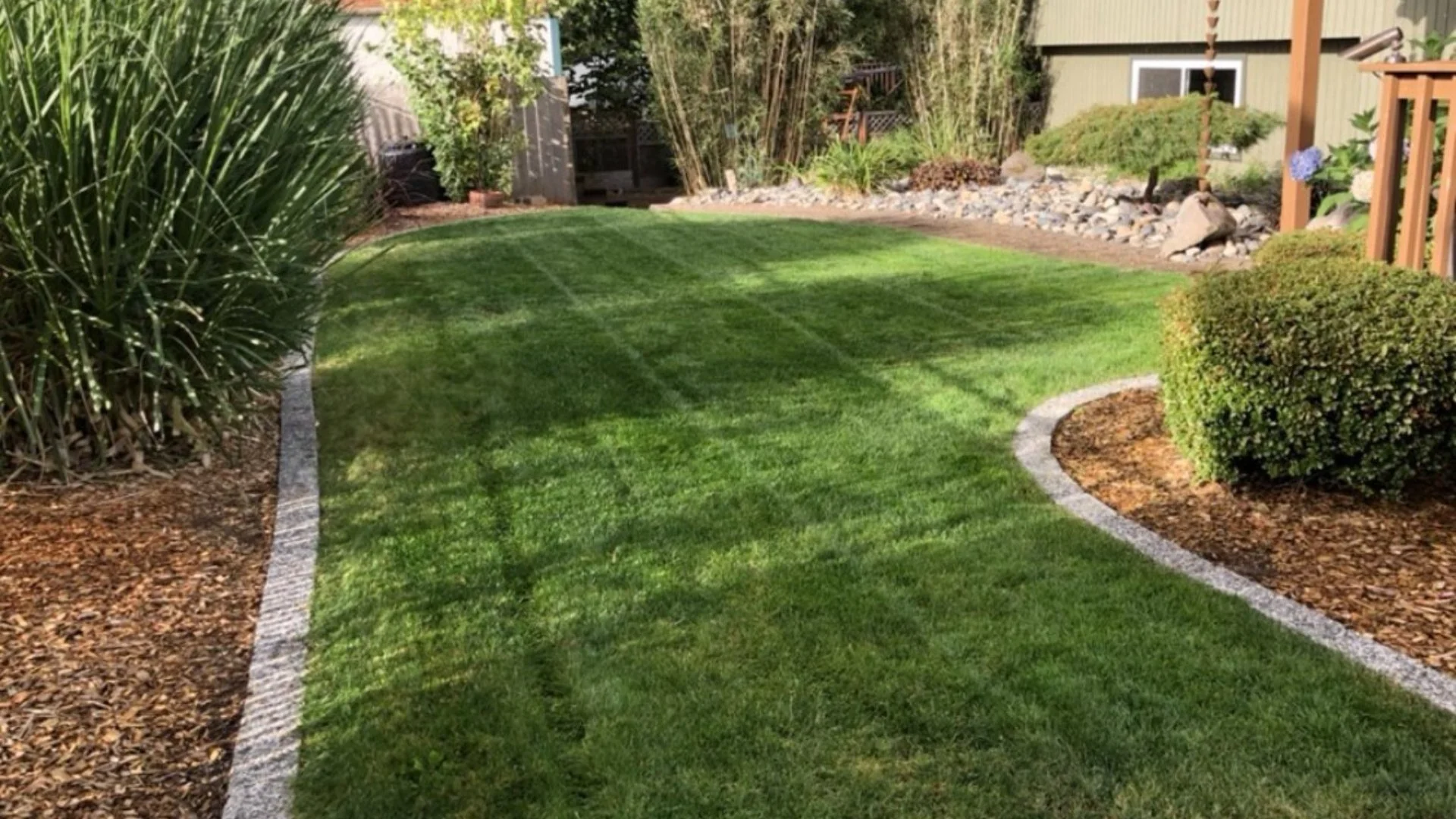
In Oregon, mowing your lawn weekly during the peak growing season helps maintain an optimal grass length, promoting a healthy and dense lawn. As growth slows in the fall, you can extend the interval to every 10 to 14 days. Consistent mowing during the growing season, which runs from mid-March to November, fosters strong root systems, helps prevent thatch buildup, and supports overall lawn health. ...
How Much Will It Cost to Hire a Professional Leaf Removal Company?
Published on Thursday, November 13, 2025
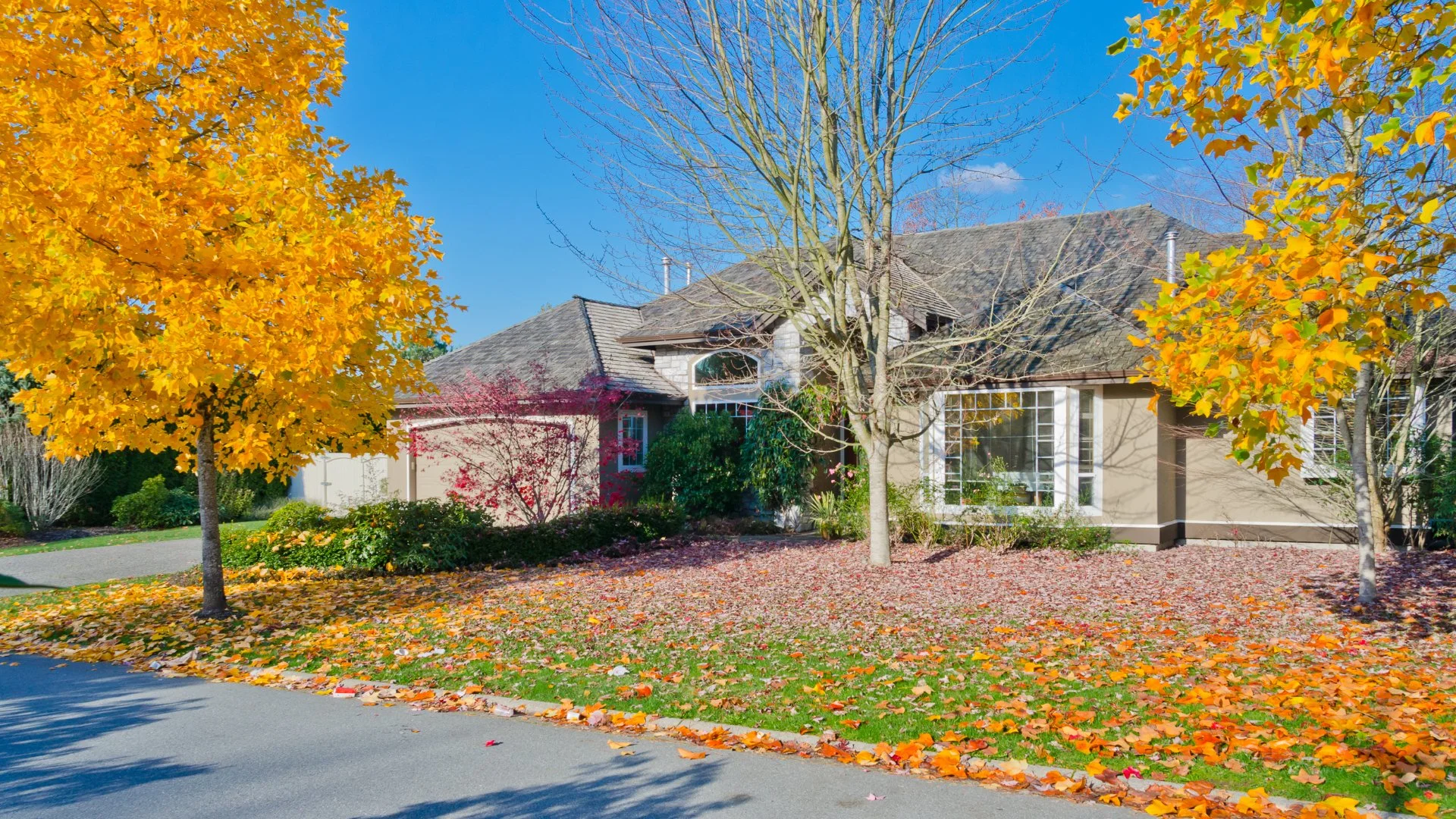
Leaf removal is a crucial service that you'll want to schedule during the fall season to keep your yard in Oregon in tip-top shape. However, you may be wondering how much it will cost to hire a professional company to remove the leaves from your yard. The cost depends on several factors, including the size of your property and what you want to do with the leaves. Larger properties will ...
How Much Will a Fall Cleanup Cost for Your Yard?
Published on Wednesday, November 12, 2025
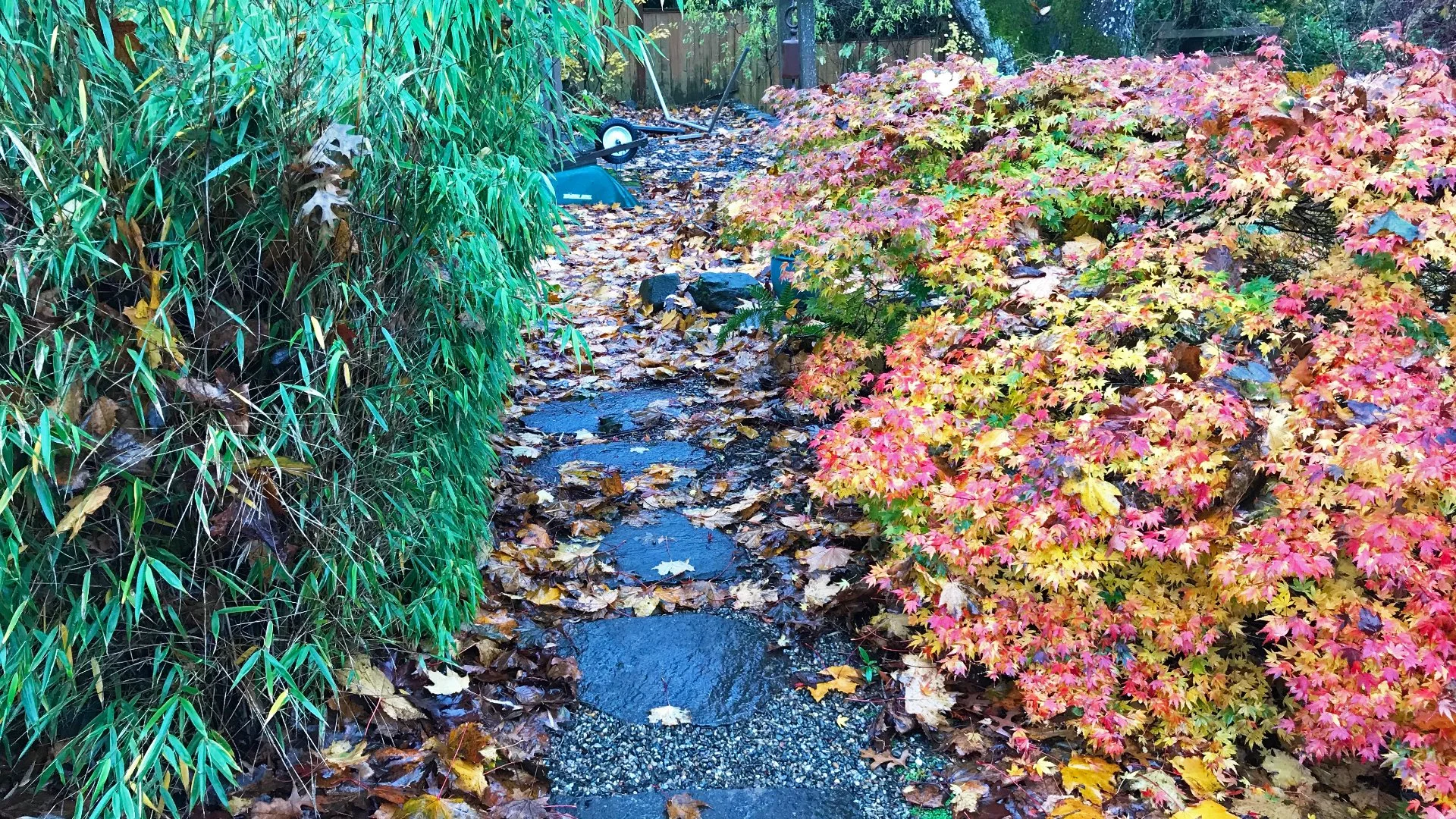
Fall is a great time to clean up your yard in Oregon, but you may be wondering how much it will cost. Well, several factors can affect the cost of a fall cleanup, including the size of your yard, the state of your property, and the services it includes. Larger yards typically require more time and effort, so they will cost more than smaller ones. The state of your property also plays a...
How Much Seed Do You Need When Overseeding Your Lawn
Published on Tuesday, November 11, 2025

Overseeding is a great way to fill in any bare or patchy areas on your lawn in Oregon. However, you may be wondering how much seed you need when overseeding your lawn. The answer is that it depends on the size of your lawn and the grass type you're using. However, it's important to note that you should use half the normal seeding rate when overseeding your lawn to avoid using too...
How Much Does a Spring Cleanup Cost?
Published on Monday, November 10, 2025
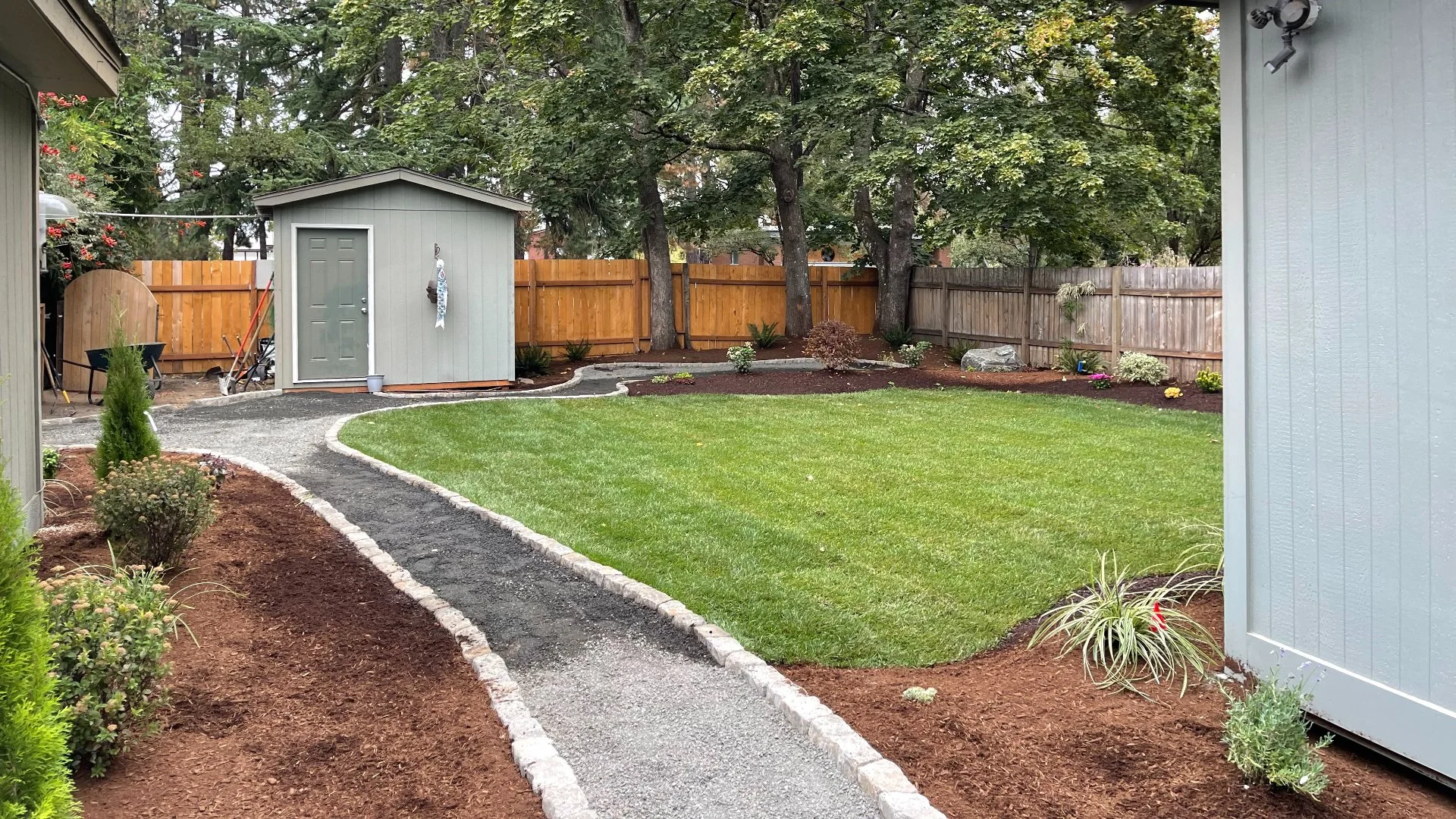
Spring cleanups are essential for sprucing up your property in Oregon after winter, but you may wonder how much this service costs. Well, the cost depends on a few factors, including the size of your property, the state of it, and the services it includes. The larger your property, the more you can expect to pay for a spring cleanup. Additionally, if it's overgrown or distressed,...
How Long Will a Mulch Ground Cover Last For?
Published on Sunday, November 09, 2025
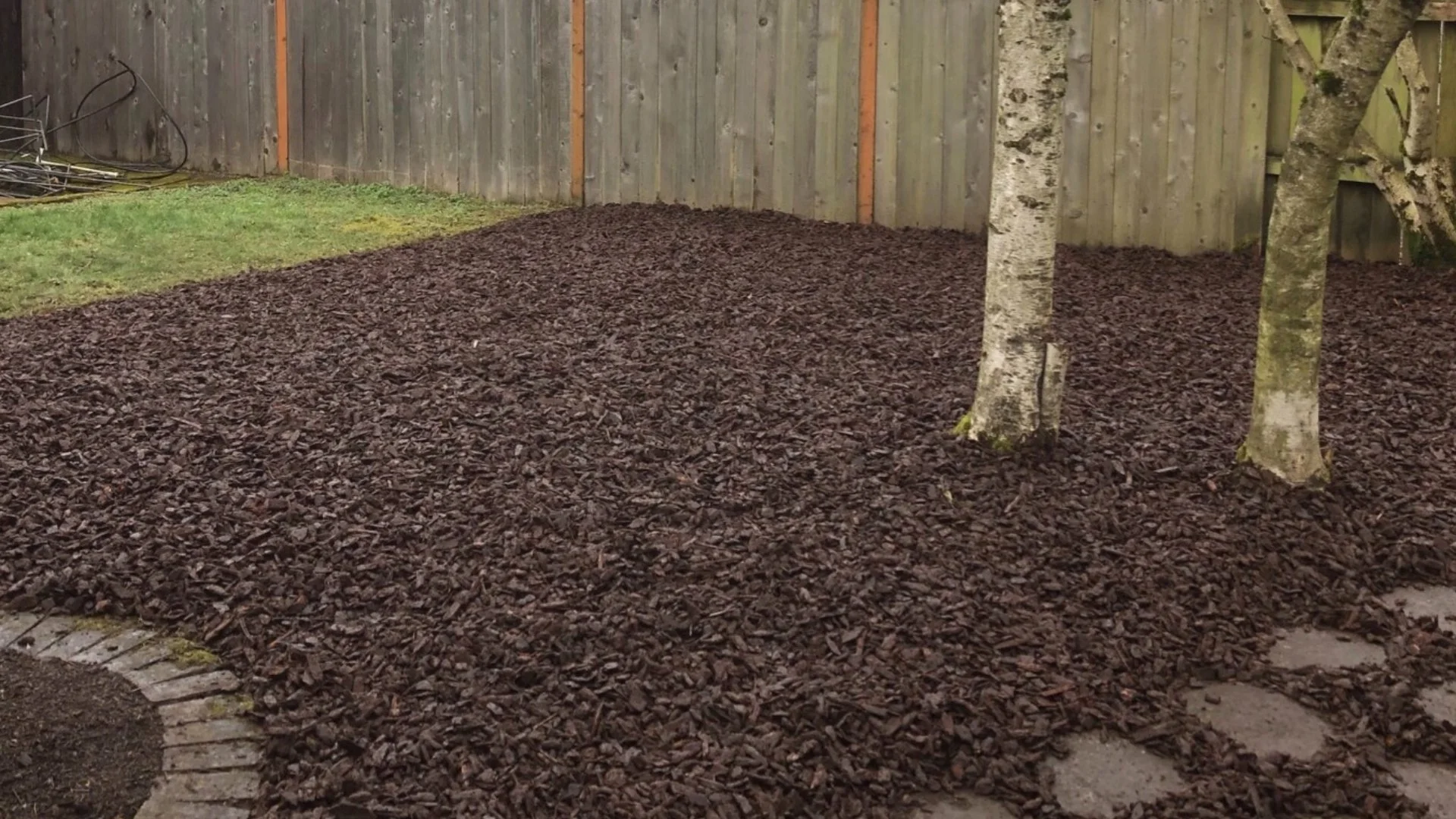
Mulch is a great addition to any landscape, but like any other landscaping element, it has a limited lifespan and will eventually need to be replaced. Mulch typically lasts 4-6 years, with organic types like wood chips enduring longer than ones with a finer texture. Environmental factors such as sun exposure, rainfall, and extreme weather can affect its durability. It is recommended to refresh...
Pros & Cons of Core Aeration: How This Service Affects Your Lawn
Published on Saturday, November 08, 2025

Core aeration is a beneficial service for your lawn in Oregon, as it involves mechanically pulling up plugs of soil to reduce compaction and create passageways for nutrients and resources to reach its roots. However, this process can be invasive, so it's crucial to perform it at the right time when it's strong enough to endure it. Another con of core aeration is that it leaves...
Should You Hire Pros to Handle Your Lawn Care?
Published on Friday, November 07, 2025
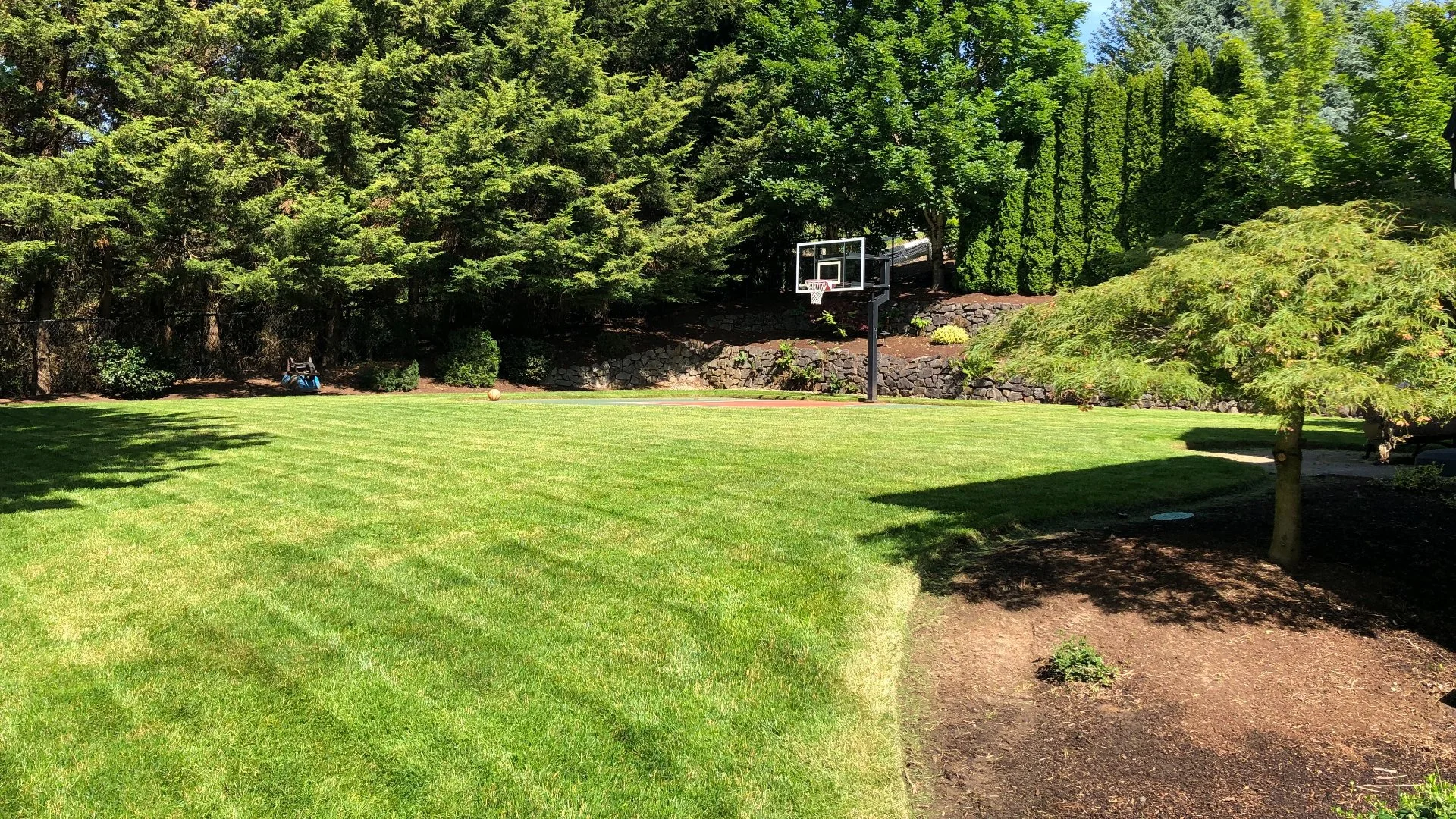
If you're tired of spending your weekends taking care of your lawn, you should hire a professional lawn care company to handle it for you! By hiring professionals, you can get your weekends back and enjoy your time off without having to worry about lawn care. What's more, when you hire professionals to care for your lawn, they will be out there often and will learn everything about your...
Should You Water in Lawn Fertilizer Treatments?
Published on Thursday, November 06, 2025
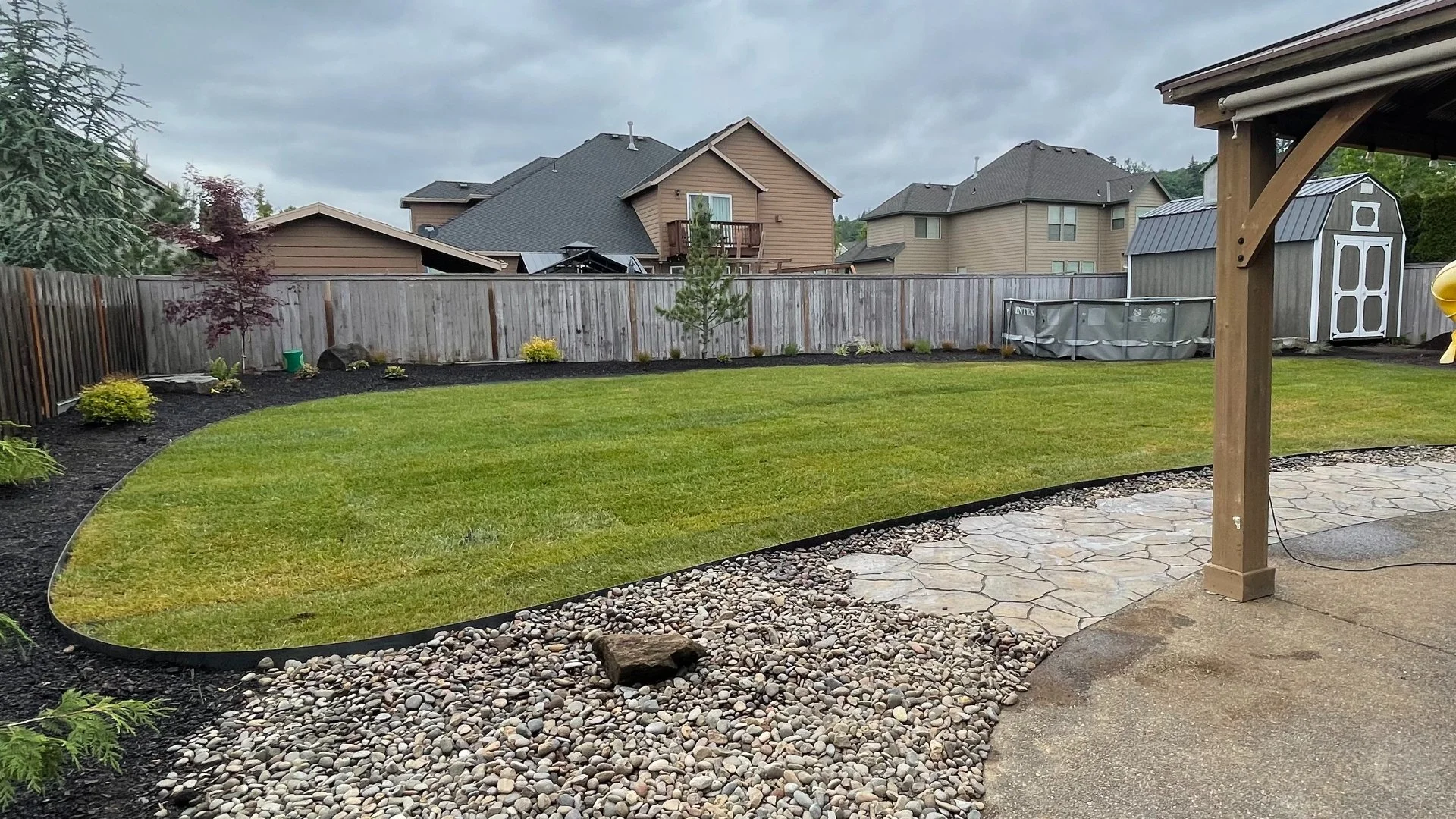
Understanding whether to water after a fertilizer treatment is essential for promoting the health and beauty of your lawn. The decision to water in lawn fertilizer treatments depends on the type of fertilizer used. Granular fertilizers typically require watering to dissolve and distribute nutrients evenly, while liquid fertilizers usually don't need it unless specified. Watering helps...
