

 Reviews
Showing 1-10 of 243 articles.
What Causes Weed Control Treatments to Fail?
Published on Thursday, September 03, 2026
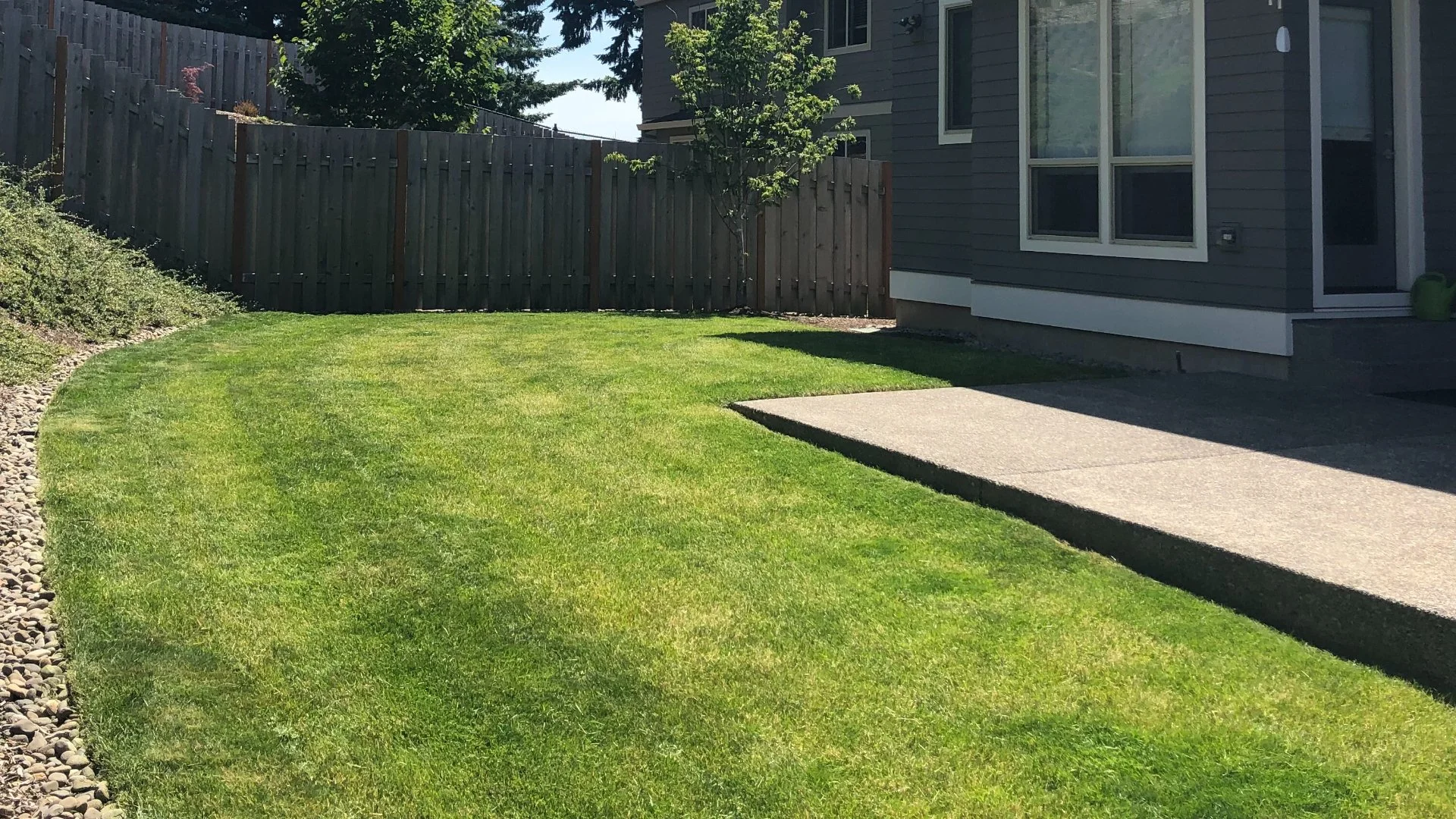
Maintaining a weed-free lawn can be challenging, and understanding the reasons behind failed treatments is essential for success. If it seems like the weed control treatment did not work, you might not have given it enough time to work. Weed control treatments often require several weeks to show results, and some weeds may need multiple applications. Other common reasons for weed control failure...
What to Expect During Your Landscape Lighting Consultation
Published on Monday, August 31, 2026

Landscape lighting is a great way to enhance the beauty and functionality of your outdoor space in Oregon, but it can be a big investment. That's why it's important to have a thorough consultation with a professional landscape lighting company before you begin the installation process. During this consultation, you can expect the professionals to meet with you to discuss your goals ...
Why Isn't Grass Seed Growing After Overseeding?
Published on Tuesday, August 25, 2026
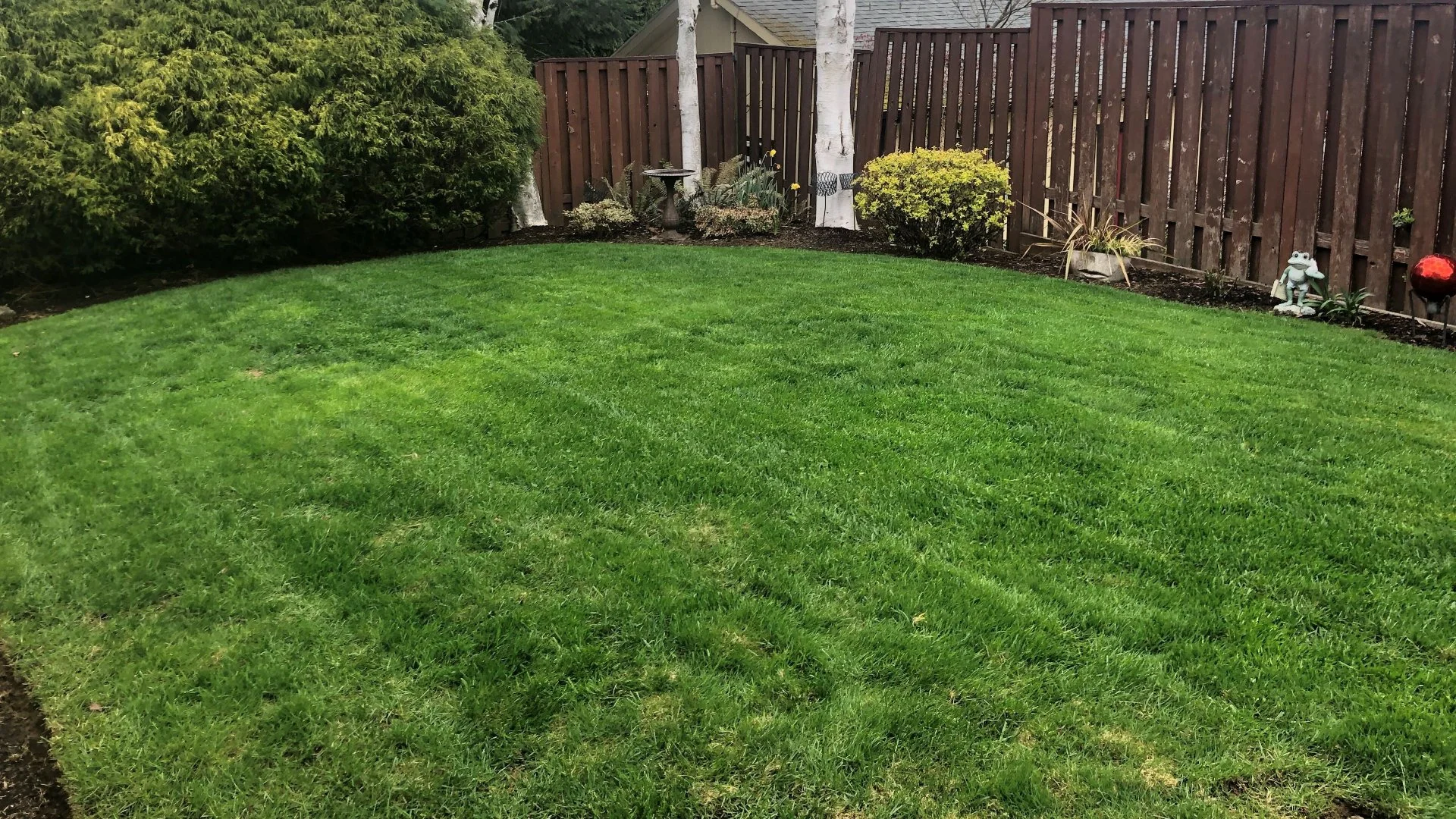
Overseeding is a great way to thicken your lawn in Oregon and fill in sparse areas. However, if you've recently overseeded your lawn and the grass seeds aren't growing, there could be a few reasons why. Grass seed may not be growing after overseeding because of poor seed-to-soil contact, which keeps them from absorbing nutrients and moisture. Inconsistent watering is also a factor, ...
Will a Yard Cleanup Help Reduce Pests?
Published on Monday, August 17, 2026

Yard cleanups are a great way to keep your property looking its best, but they can also help reduce pests! A yard cleanup helps keep pests away by eliminating their potential hiding spots and minimizing moisture. A good yard cleanup should include key tasks like lawn mowing, debris removal, tree and shrub trimming, and landscape bed weed control to effectively revitalize your lawn and landscape...
3 Evergreen Plants to Consider for Your Landscape
Published on Monday, August 10, 2026
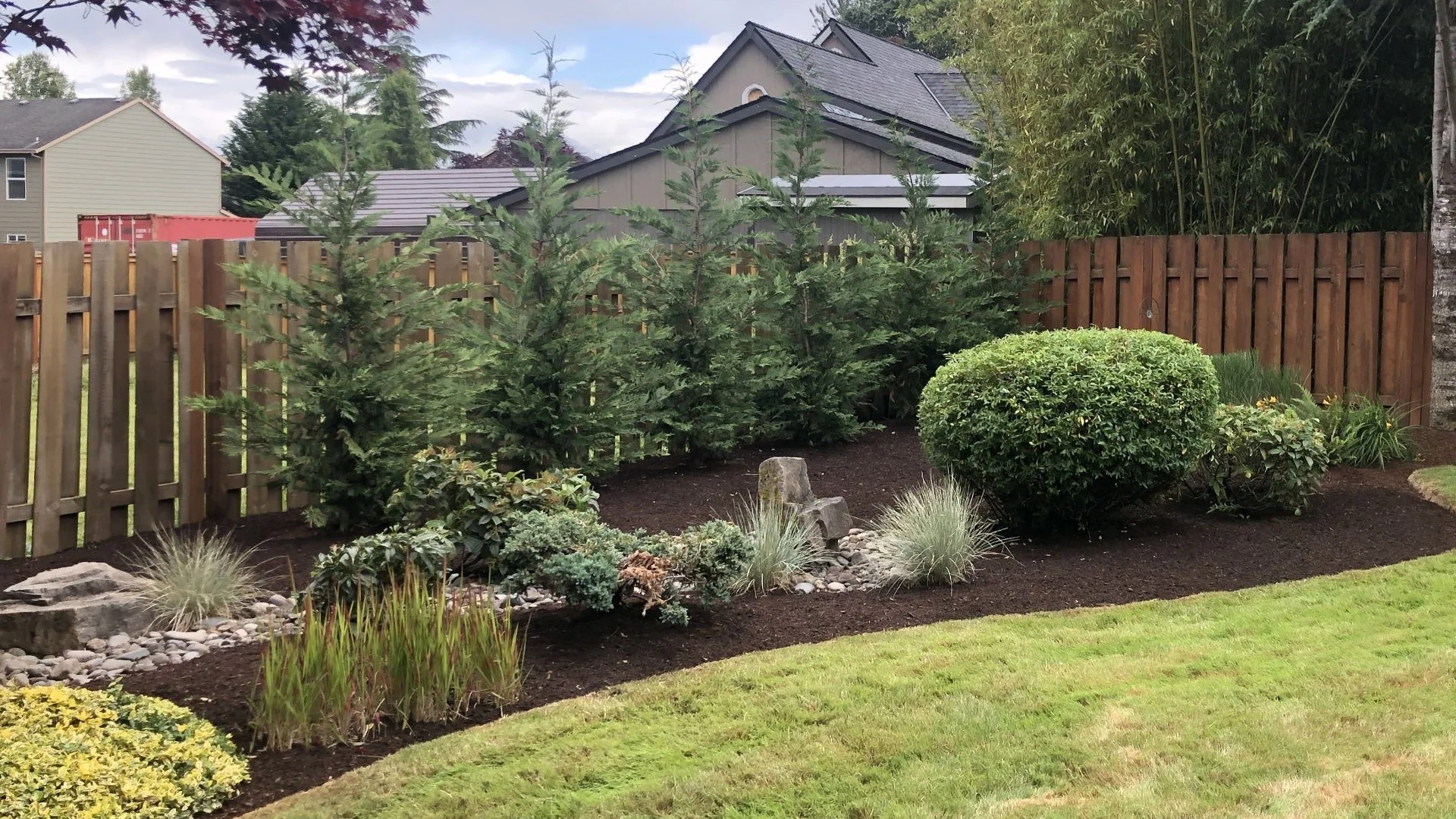
Evergreen plants are a great addition to any landscape in Oregon because they provide year-round beauty. Boxwoods are ideal for formal gardens due to their dense foliage and ease of shaping. Camellias offer stunning blooms in cooler months and thrive in partially shaded areas. Junipers are hardy, drought-tolerant, and great for erosion control, making them versatile choices for various...
How Long Does It Take for Leaf Piles to Harm Your Lawn?
Published on Tuesday, August 04, 2026

Leaf piles can harm your lawn if left for more than a week, as they block sunlight and trap moisture. Removing leaves if they cover more than 20% of your lawn is ideal, especially before rain, to prevent fungal growth and damage. Wet leaves can quickly smother grass, leading to dead patches and disease. It's a great idea to hire professionals to remove leaves from your lawn in Oregon,...
Is It Possible for Leaf Piles to Cause Lawn Diseases?
Published on Wednesday, July 29, 2026
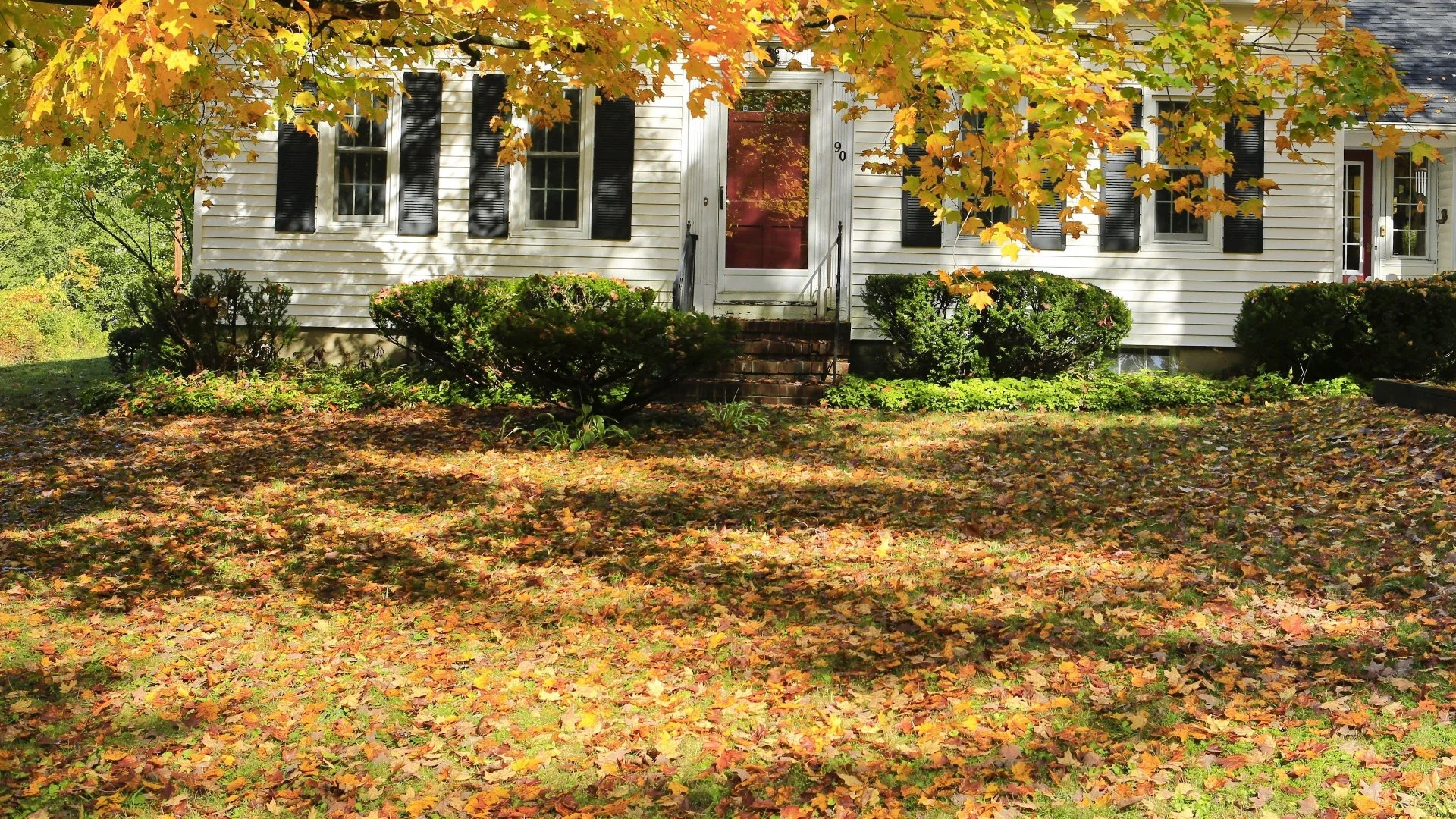
Leaf piles can cause lawn diseases by trapping moisture, blocking sunlight, and inhibiting airflow, creating perfect conditions for fungal growth. If leaves remain over winter, it can lead to significant lawn damage by spring. Regularly removing leaves, especially wet and clumped ones, helps prevent these issues. Hiring professionals can ensure consistent leaf removal, maintaining a healthy lawn...
Potential Causes of Your Lawn Turning Brown After Mowing
Published on Wednesday, July 22, 2026
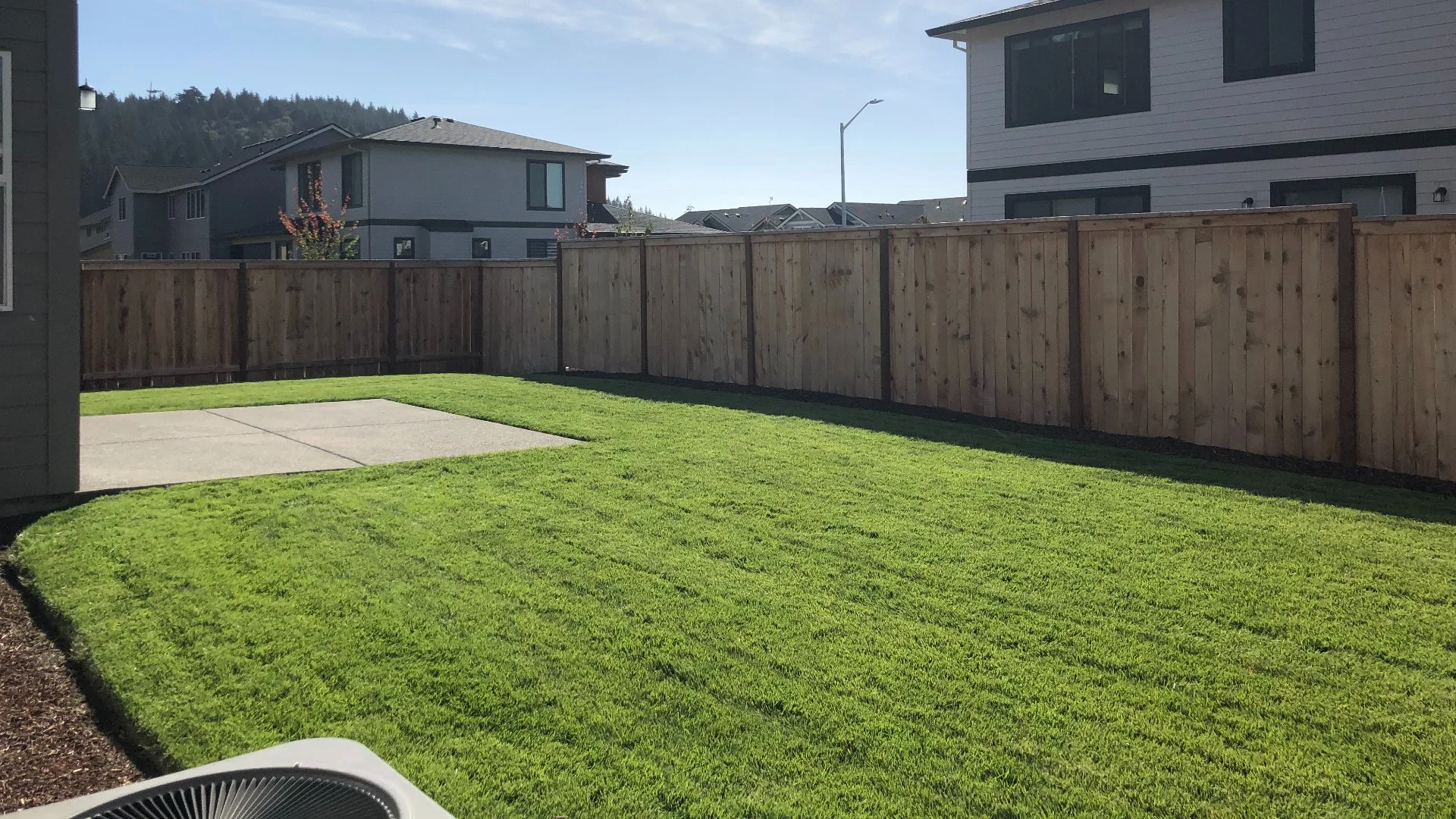
When mowing your lawn, it's vital to ensure the process is done properly to avoid stress that can cause it to turn brown. If your lawn turns brown after mowing, one of the possible reasons is that the mower blades are dull and they tore through the grass blades instead of cutting cleanly. Cutting your grass too short, or scalping it, can also lead to browning. Mowing your lawn in...
Compacted Soil: What Causes It & Why It's Bad for Your Lawn
Published on Thursday, July 09, 2026
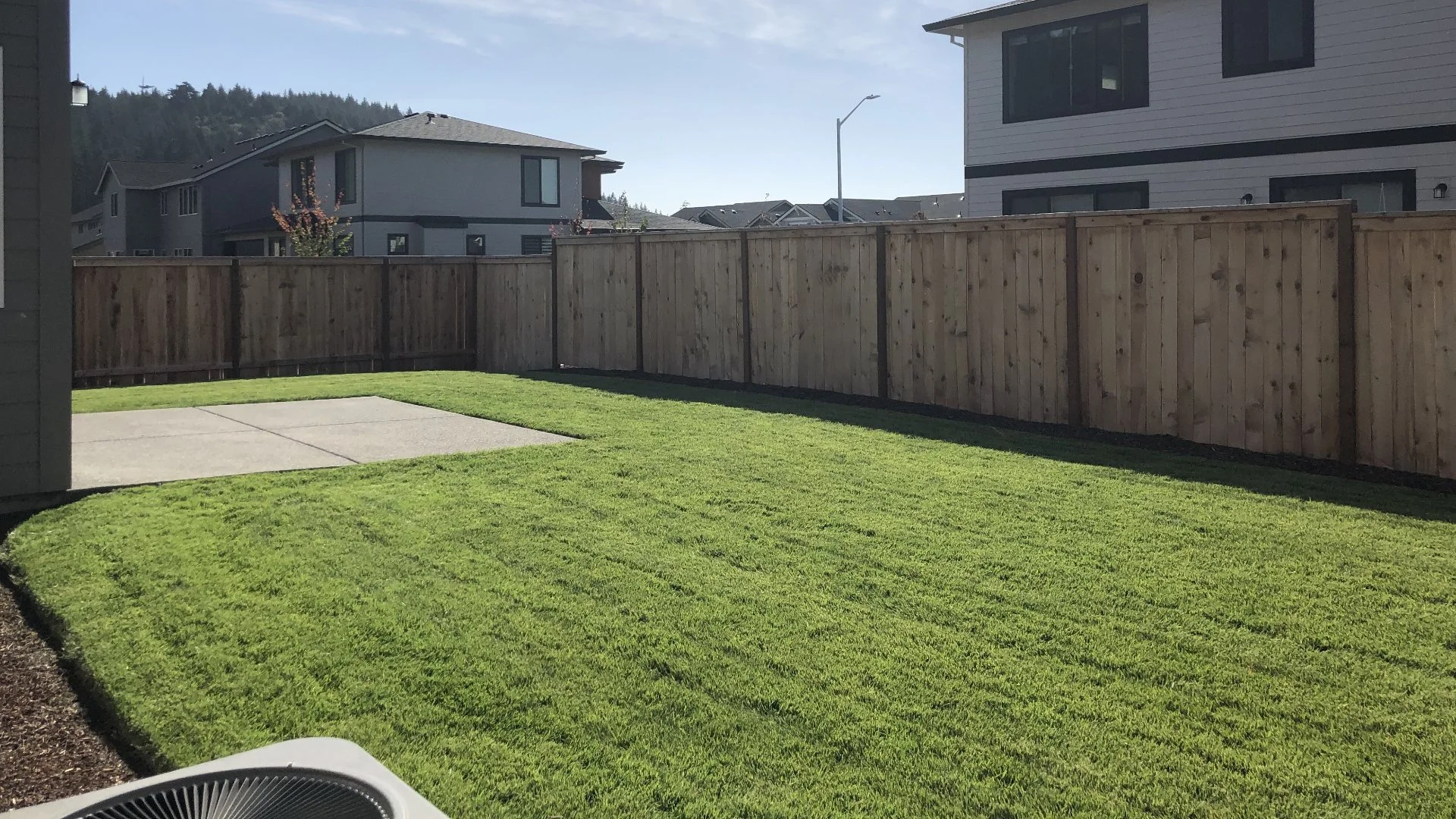
Compacted soil is a common lawn issue in Oregon where soil particles are tightly packed, restricting air and water flow to roots. This condition is often caused by heavy machinery, foot traffic, working with wet soil, clay soil composition, and a lack of organic matter. Compacted soil leads to poor root growth and water drainage problems, creating an environment prone to diseases and...
Does Overseeding Help Reduce Weeds on Your Lawn?
Published on Tuesday, June 30, 2026

Overseeding is a natural and effective method to prevent weed growth on your lawn in Oregon. By creating a dense, healthy turf, overseeding reduces space for weeds to take root and compete for nutrients. A thick lawn also blocks sunlight from reaching dormant weed seeds, helping to prevent their germination. However, to maximize the benefits of overseeding, it's crucial to eliminate...
