

 Reviews
Showing 31-40 of 243 articles.
What to Do if Your Lawn Is Suffering From Fertilizer Burn
Published on Thursday, January 15, 2026
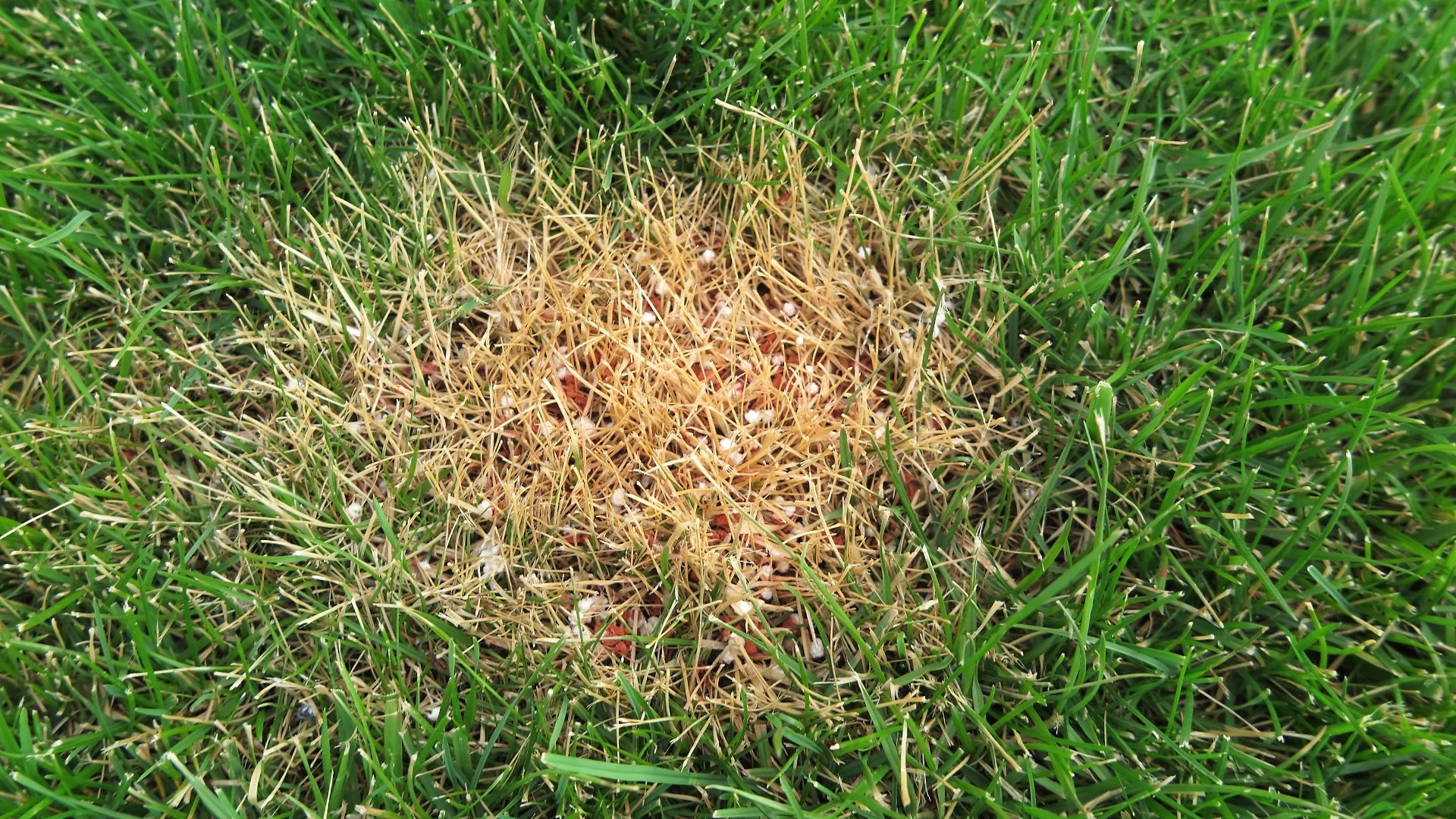
If your lawn is suffering from fertilizer burn, it can be quite concerning. Fortunately, there are steps you can take to help your lawn recover. To treat fertilizer burn, immediately water the affected areas to dilute excess nutrients and salts, continuing for 1 to 2 weeks. This helps flush out the fertilizer and aids grass recovery. Next, rake away dead grass and any remaining fertilizer...
Will Regular Mowing Thicken up Your Lawn?
Published on Wednesday, January 07, 2026
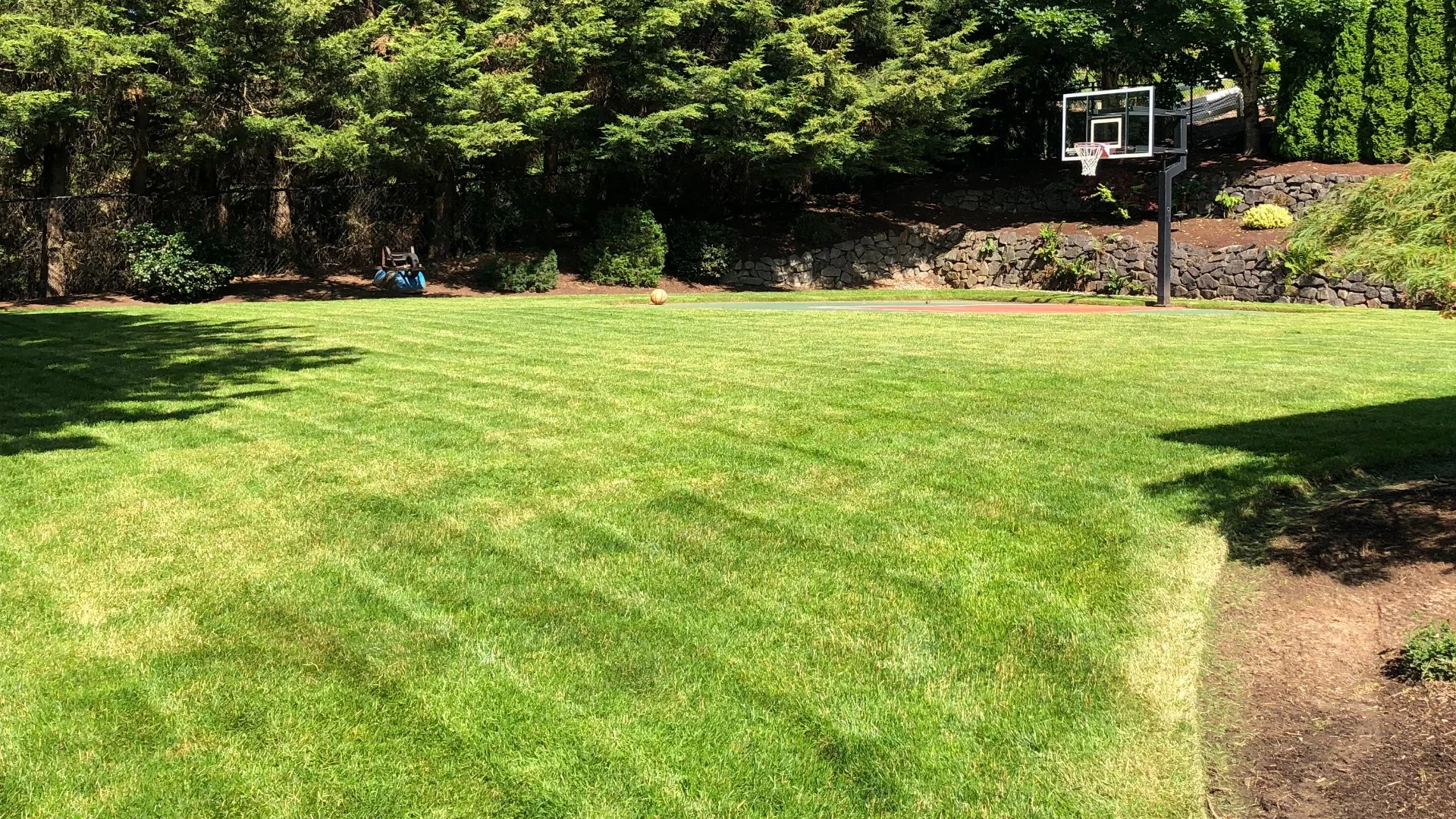
Regular mowing stimulates lateral growth, encouraging grass to spread out and develop more shoots, leading to a denser lawn. This process enhances root systems, helping grass compete with weeds and resist diseases. To achieve a thicker and healthier lawn in Oregon, make sure you stick to healthy mowing practices. These include adhering to the 1/3 rule to avoid stressing the grass, mowing...
How to Renovate Your Landscape Beds to Enhance Their Curb Appeal
Published on Monday, December 01, 2025

Renovating your landscape beds is a great way to enhance their curb appeal. To do this, you'll want to start by edging them to create a defined border that separates them from your lawn, giving them a neat and polished look. You'll also want to remove weeds, dead plants, and debris to ensure they stay pristine and don't drag down their curb appeal. Installing weed barrier fabric is...
How to Select Plants That'll Thrive in Your Landscape
Published on Sunday, November 30, 2025
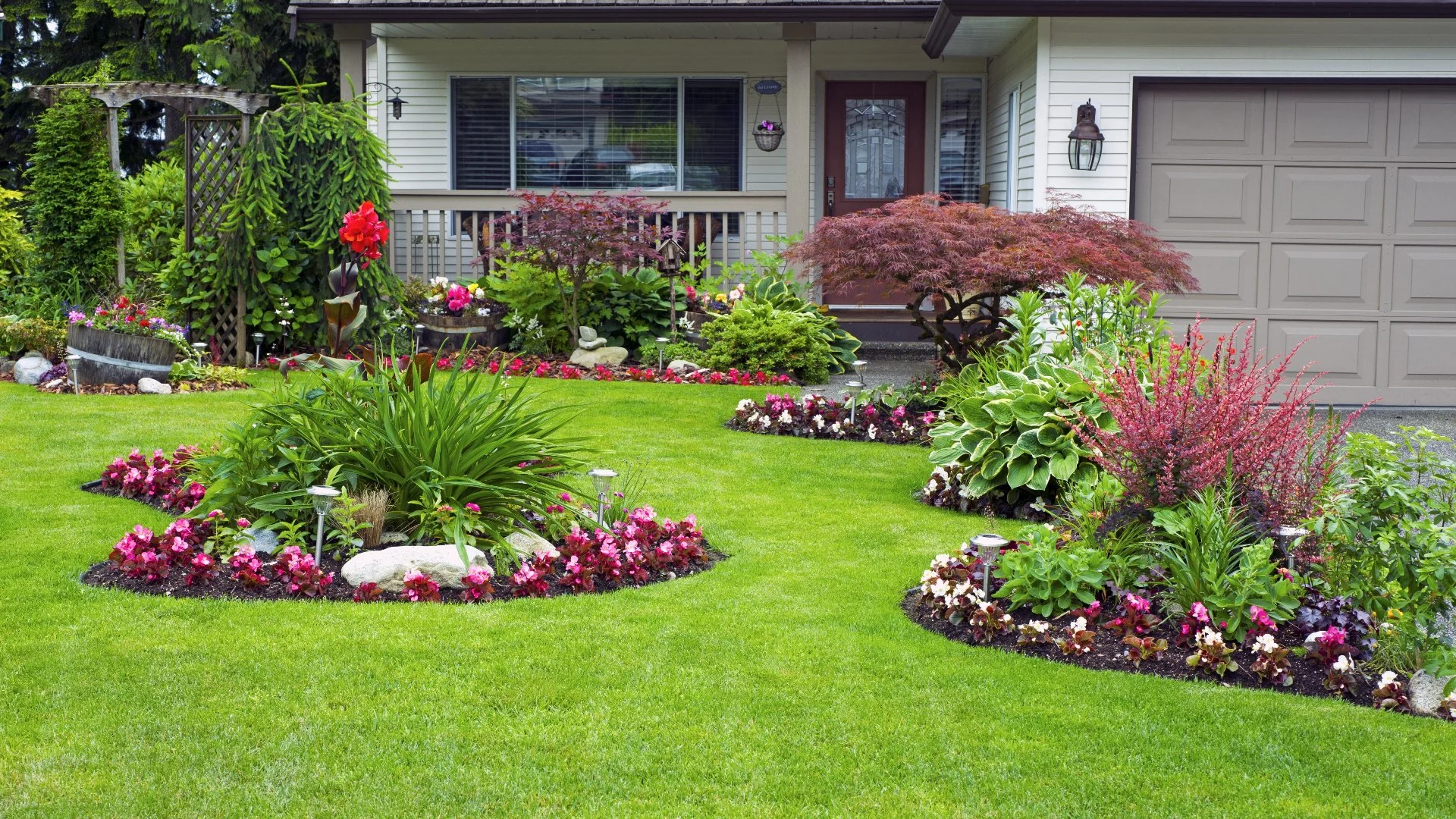
When it comes to selecting plants for your landscape in Oregon, there are several factors to consider. First, consider the soil conditions and choose plants that thrive in your particular soil. Next, take into account the amount of shade or sun your beds receive and choose plants that will thrive in those conditions. Additionally, consider the colors of the plants and how they work...
Important Considerations for Picking Plants for Landscape Beds
Published on Saturday, November 29, 2025
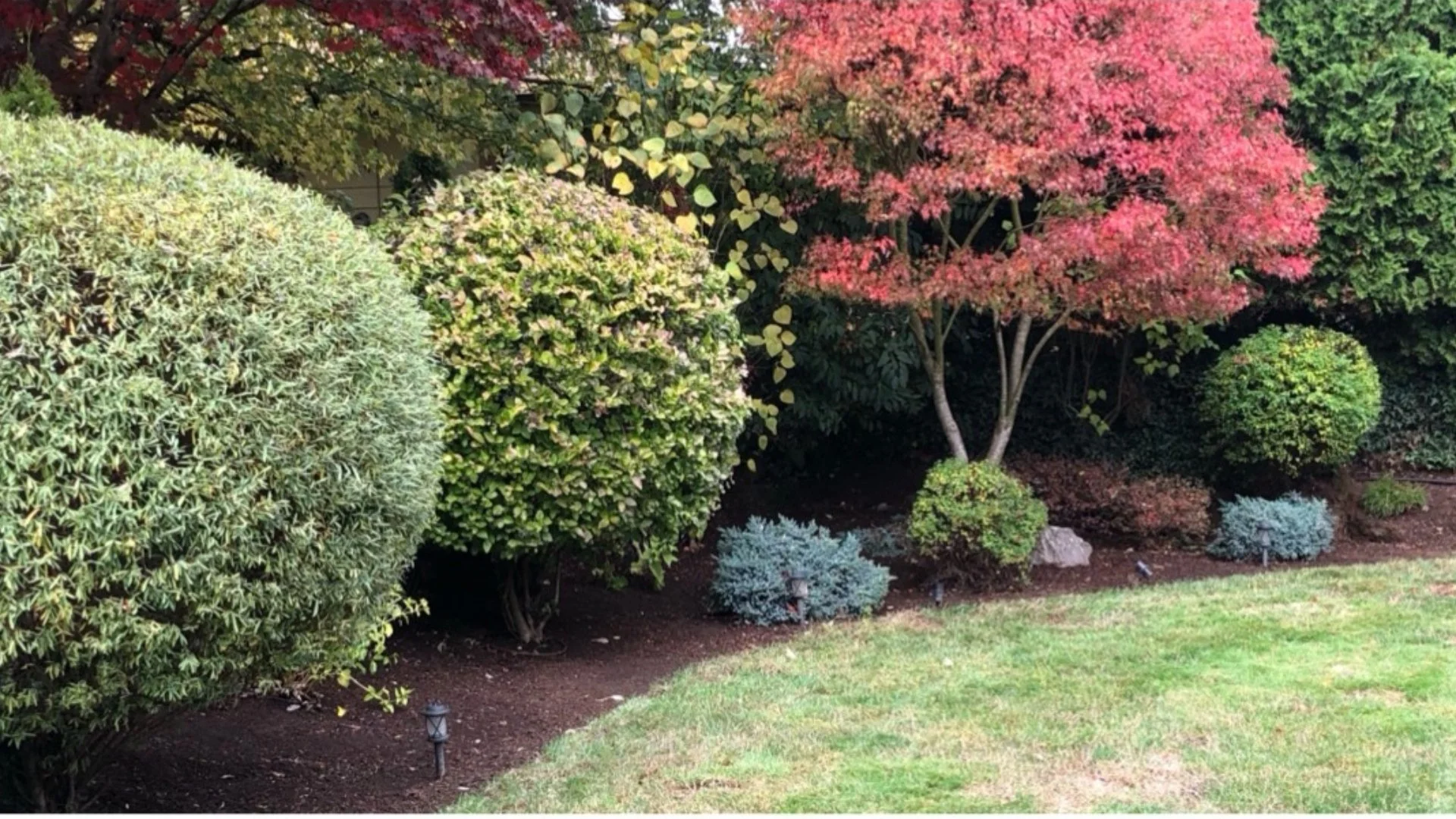
When selecting plants for your landscape beds in Oregon, consider factors like soil type, sunlight, color coordination, and maintenance needs. Identify your soil, whether sandy, clay, or loamy, to choose suitable plants that will thrive in that particular environment. It's also important to assess how much sun or shade your landscape beds receive; some plants thrive in full sun, while...
Is English Ivy Ok to Touch?
Published on Friday, November 28, 2025
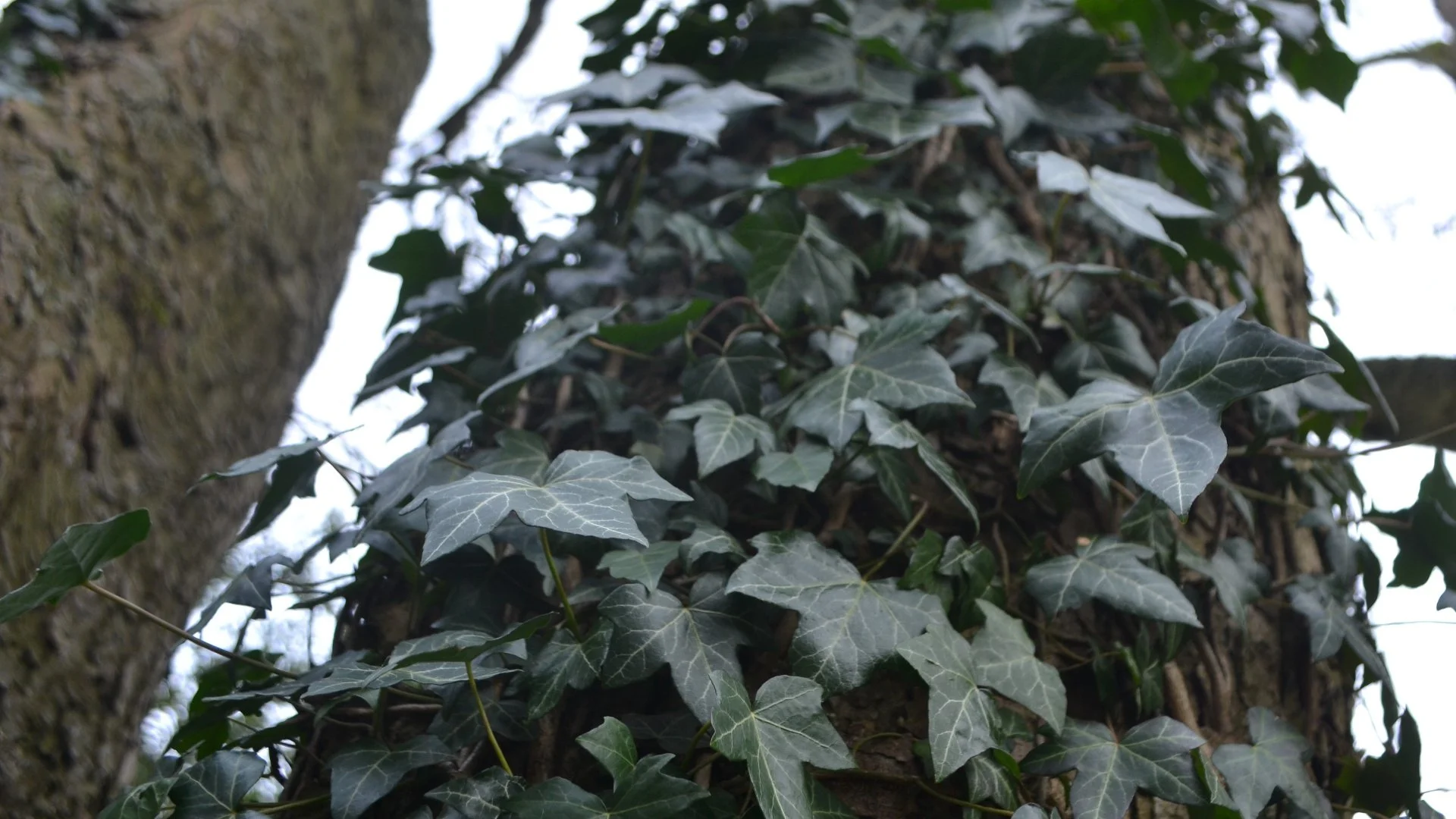
While English ivy is generally safe to touch, it can cause skin irritation or rashes in some individuals due to allergic reactions to its sap. Precautions such as wearing gloves and washing after contact are advisable. Beyond personal health concerns, English ivy is invasive, outcompeting native plants, harming tree health by blocking sunlight, and damaging structures by holding moisture and...
Is English Ivy Toxic to Dogs?
Published on Thursday, November 27, 2025

English ivy is a common ground cover in Oregon, but it poses a hidden danger to dogs. This popular plant is toxic to dogs, as ingesting any part of it can lead to gastrointestinal issues like vomiting and diarrhea. Its sap can also cause skin irritation upon contact. If you spot English ivy on your property, it's crucial to remove it promptly to avoid potential harm to your furry...
Is It Necessary to Apply a Pre-Emergent Weed Control Treatment in Spring?
Published on Wednesday, November 26, 2025
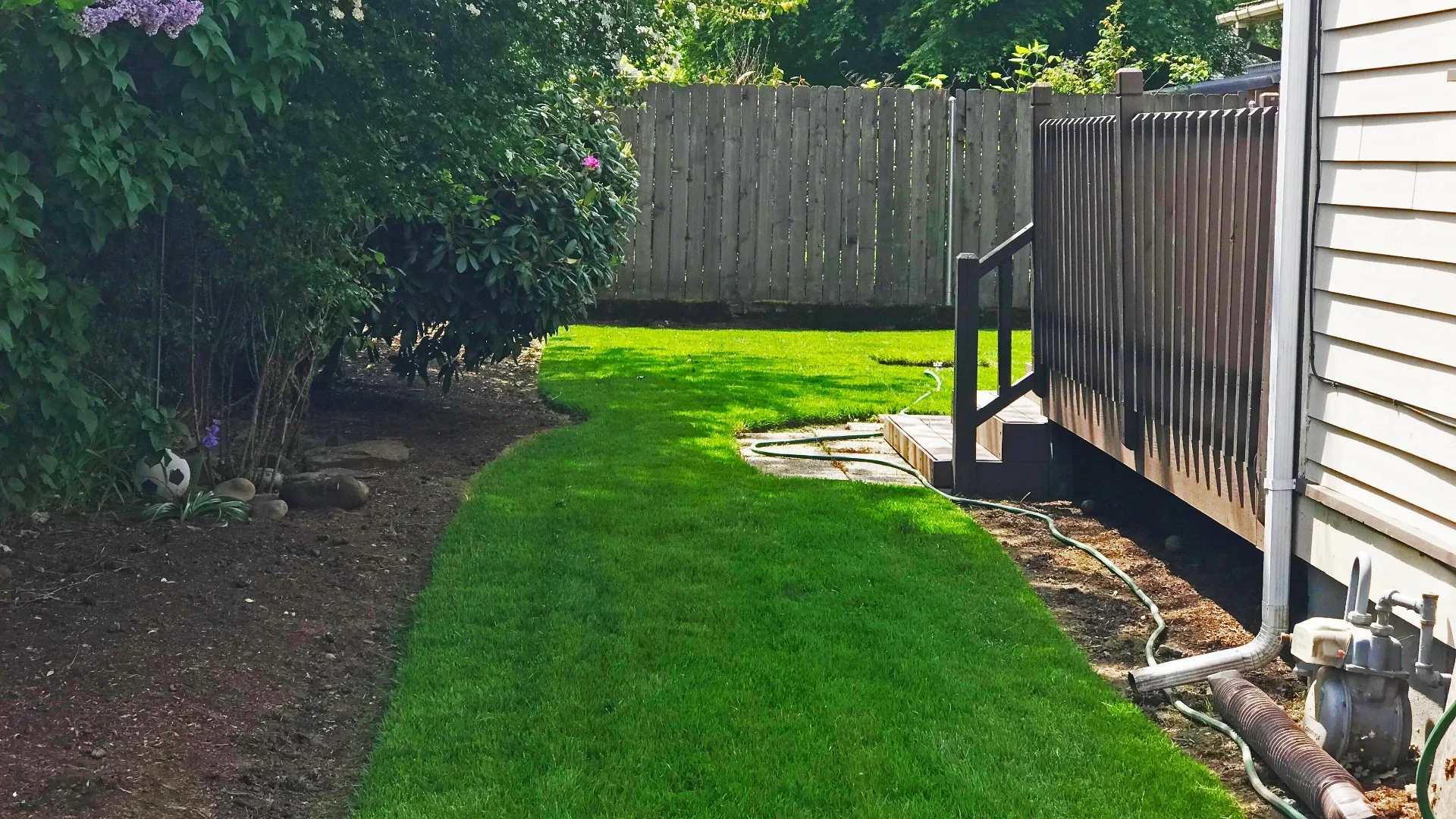
As the weather warms up in the spring, weeds will start growing on your lawn in Oregon. That's why it's necessary to apply a pre-emergent weed control treatment! Pre-emergent weed control creates a protective barrier on the soil to prevent weeds from emerging on your lawn. Effective timing is crucial, and it should be applied in early spring for the best results. By minimizing weed ...
Is It Necessary to Wait Until After It Rains to Fertilize Your Lawn?
Published on Tuesday, November 25, 2025
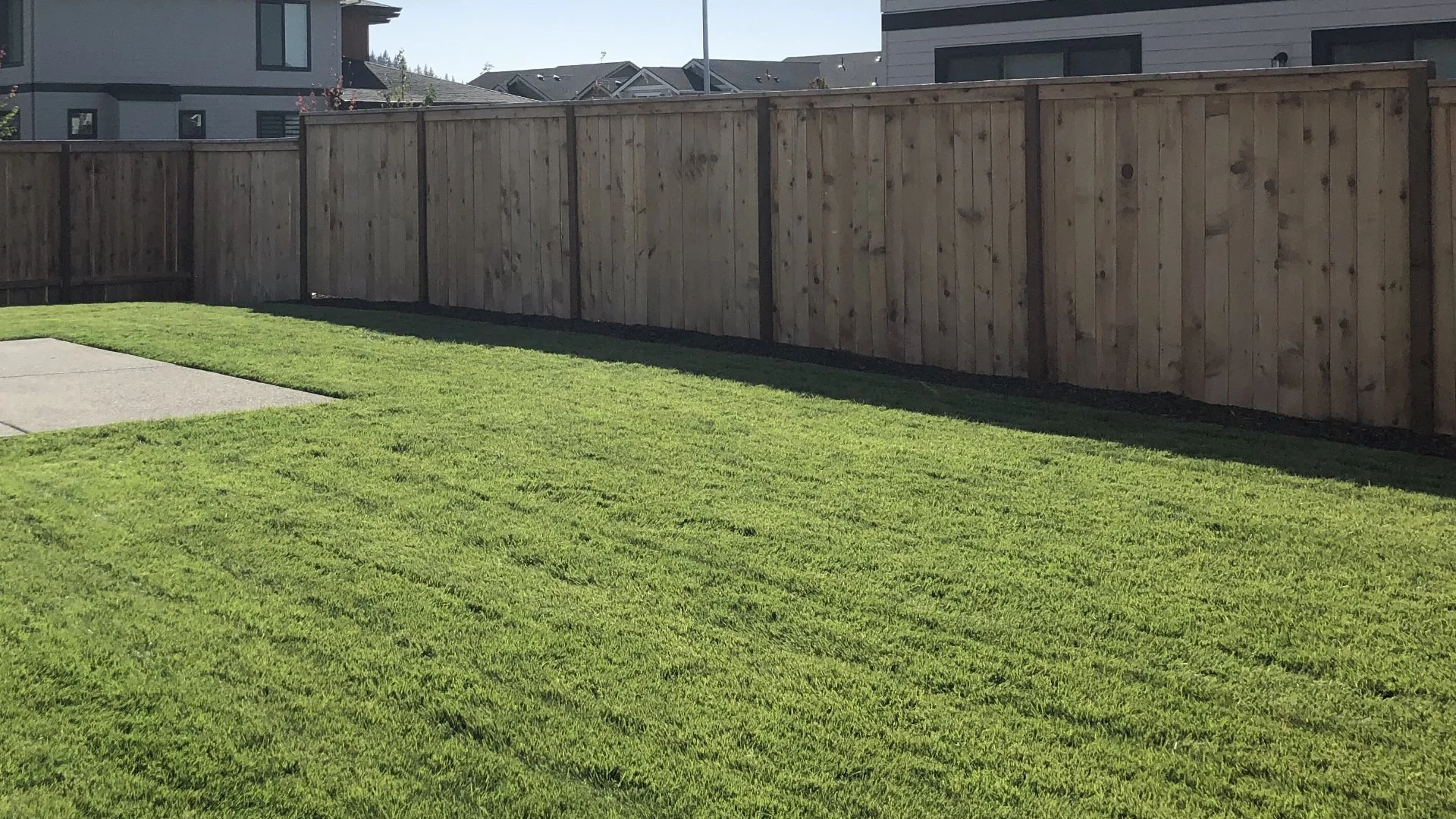
If you're wondering whether you should wait until after it rains to fertilize your lawn, the short answer is yes. Avoid fertilizing before heavy rain, as it can wash away the treatment, depriving your lawn of nutrients and potentially harming the environment. You could, however, fertilize before light rain only to help the product soak into the soil. After rain, ensure grass blades are dry...
Is It Worth Applying Pre-Emergent Weed Control in the Fall?
Published on Monday, November 24, 2025
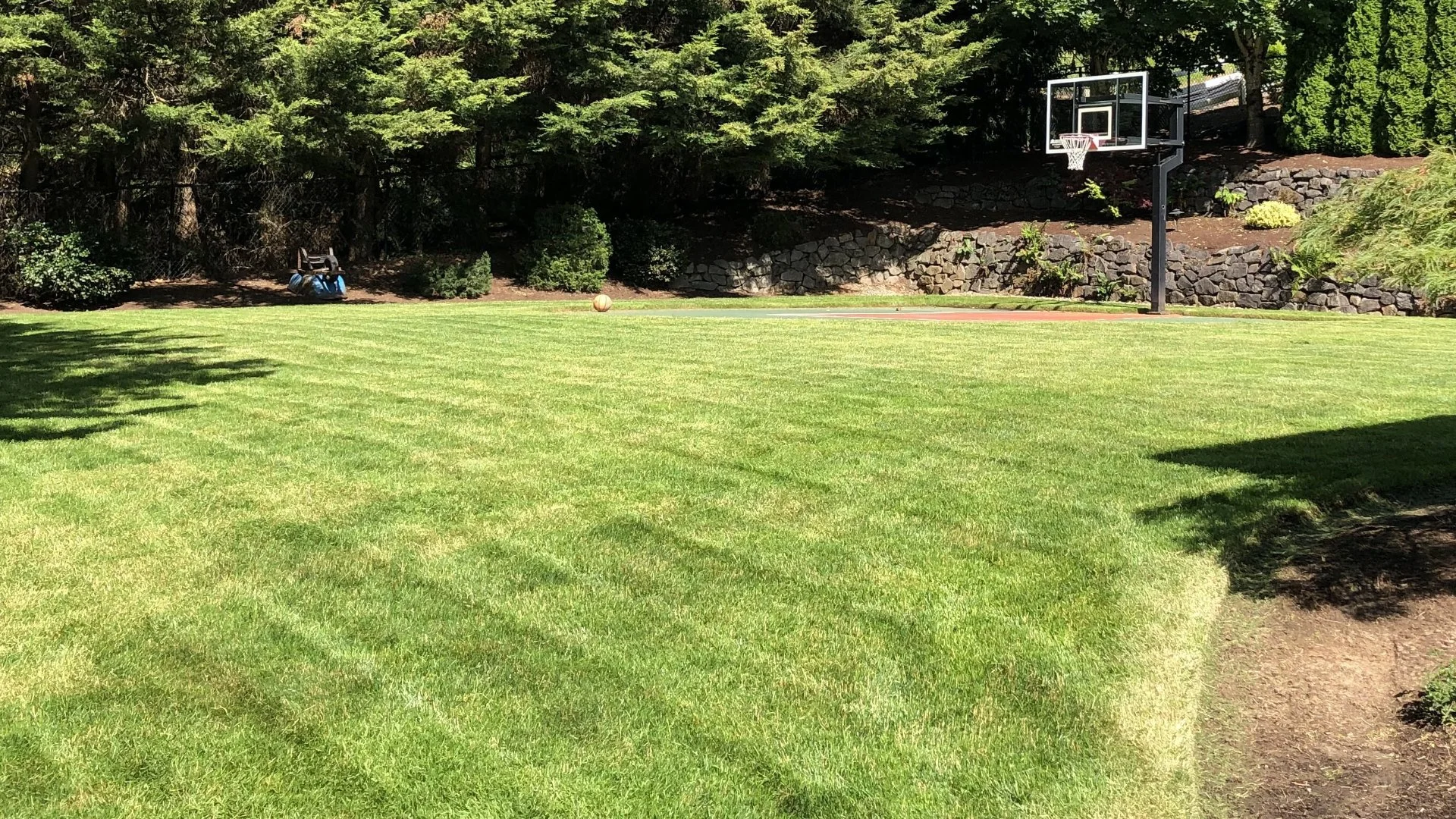
Applying pre-emergent weed control in the fall prevents weeds from stealing nutrients, ensuring your grass stays healthy and robust before it goes dormant. It creates a barrier that stops weeds from emerging, allowing your lawn in Oregon to maintain its nutrient supply. Weeds can also spoil your lawn's appearance, making it look neglected. By addressing potential weed growth early, you ...
