

 Reviews
Showing 41-50 of 243 articles.
Methods for Aerating Your Lawn - Core vs Liquid
Published on Sunday, November 23, 2025
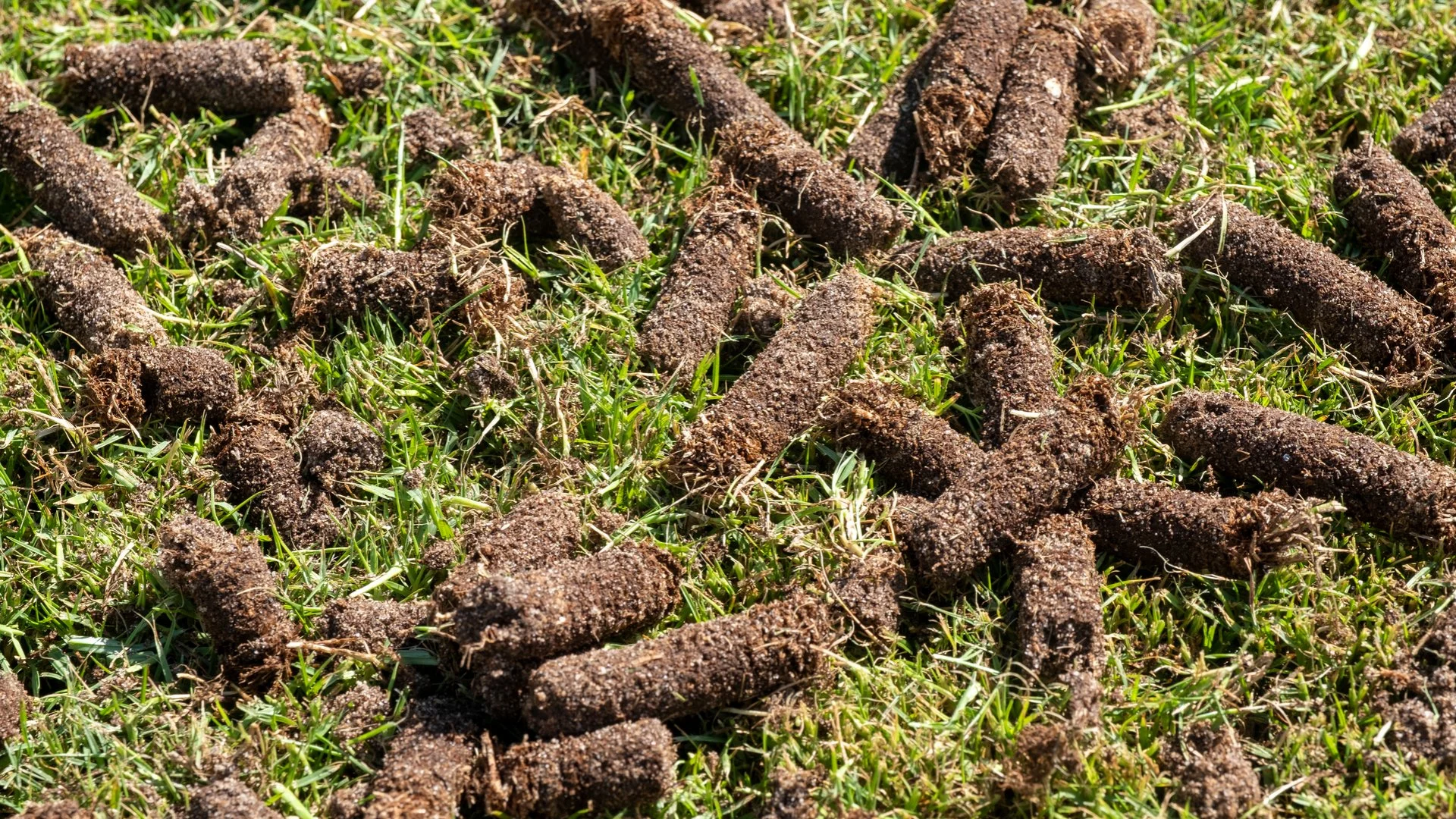
If you're looking to aerate your lawn in Oregon, you have two options: core and liquid aeration. Core aeration involves using an aerator to mechanically pull up plugs of soil, while liquid aeration involves applying a liquid treatment across your lawn that creates tiny pores in the soil. While both offer great benefits, core aeration is better for lawns with heavily compacted soil, as...
Mow Your Lawn Before Fertilizing It for the First Time in the Spring
Published on Saturday, November 22, 2025
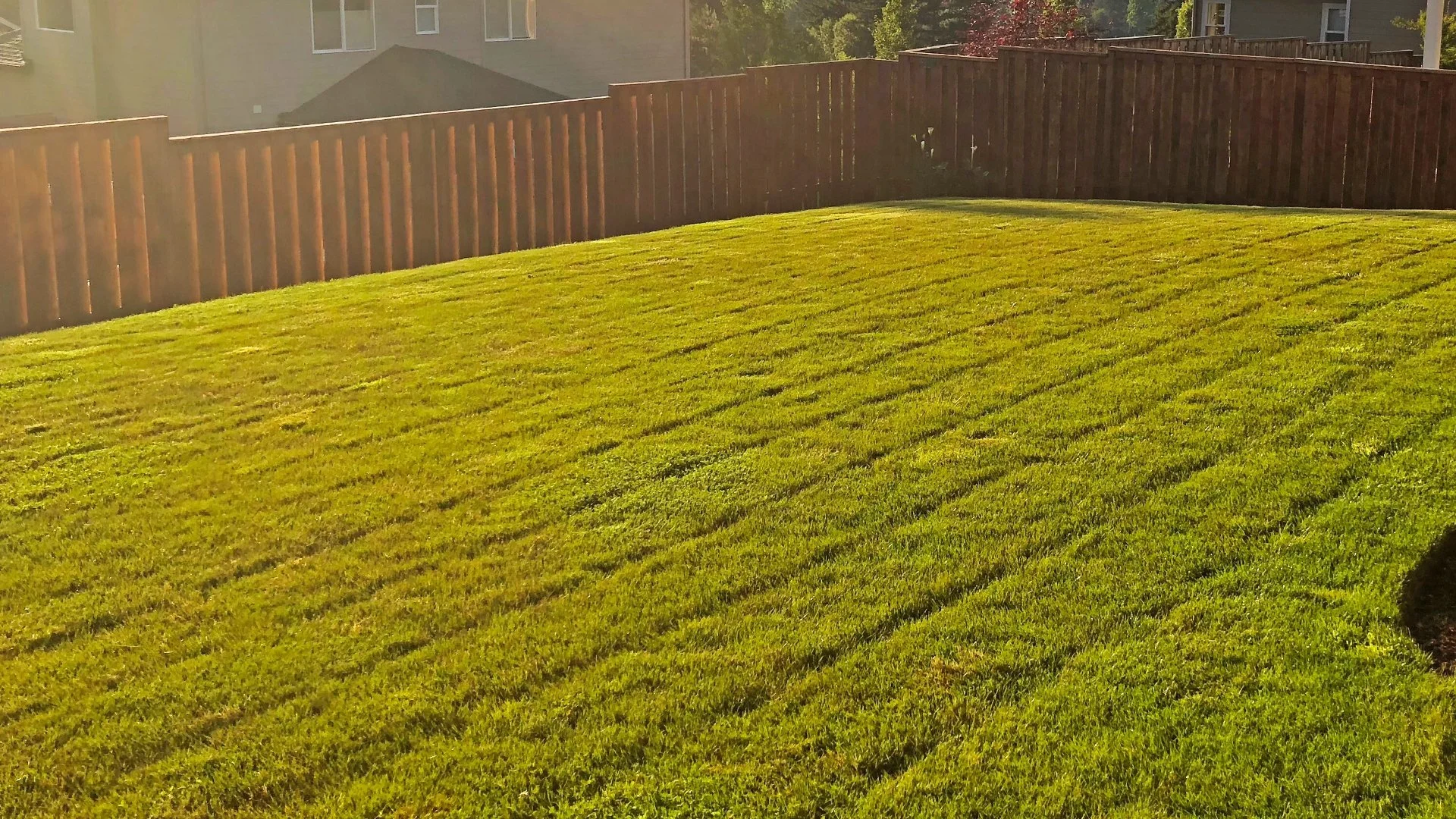
As the winter season comes to a close, your lawn in Oregon will need some extra care to get back to its lush, green state. One of the most important steps you can take is to mow your lawn before applying fertilizer for the first time in the spring. This will help remove any overgrowth or debris that may have accumulated over the winter months and allow the fertilizer to penetrate the soil...
Mulch Can Improve the Health of Your Plants!
Published on Friday, November 21, 2025
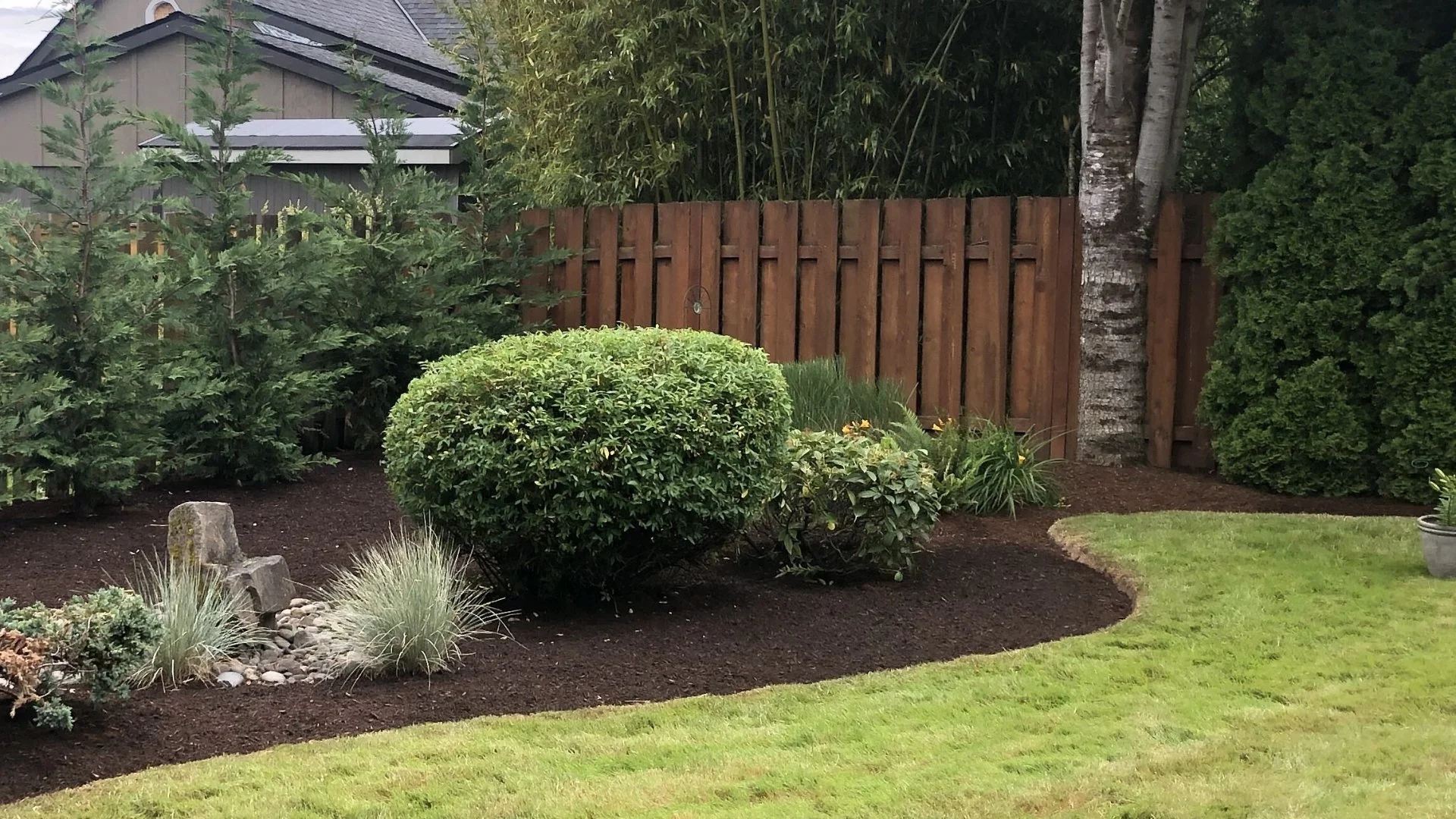
Mulch offers numerous benefits for the health of your plants in Oregon by retaining moisture and regulating soil temperature. It reduces evaporation, ensuring plants have consistent access to water. Mulch also acts as an insulator, keeping soil cooler in heat and warmer in cold, providing stable conditions for roots. It prevents weed growth by blocking sunlight, reducing competition for...
Mulching Mistakes Property Owners Often Make During DIY Installation
Published on Thursday, November 20, 2025
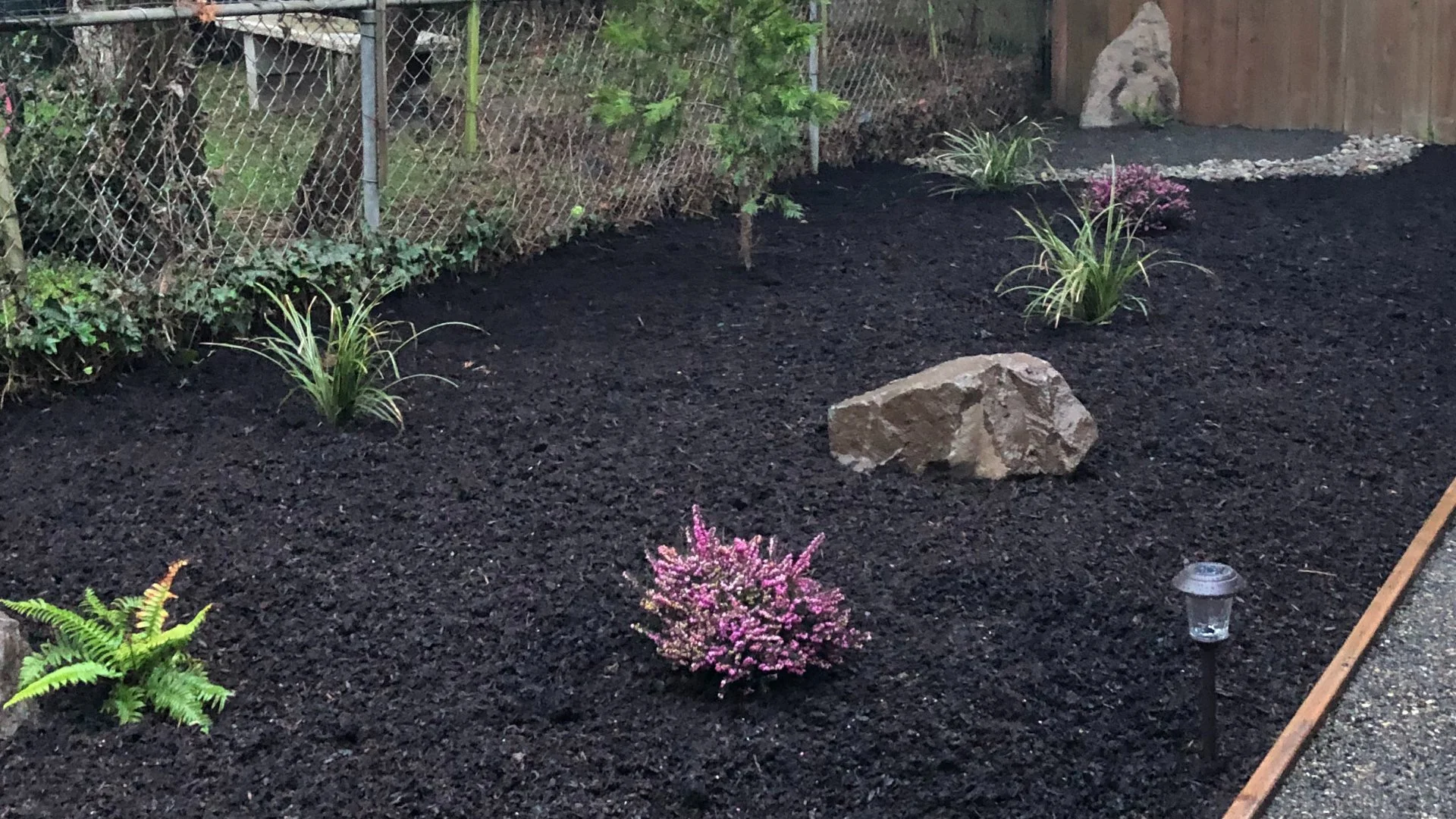
Mulch is a great addition to your landscape beds in Oregon, as it enhances their aesthetic appeal, provides health benefits to your plants, and more. There are several common mistakes that property owners make with DIY installation, such as installing too thick of a layer or not enough. Piling mulch around the base of the plants is also another mistake that must be avoided to prevent...
Perennial vs Annual Flowers: Which Should You Plant?
Published on Wednesday, November 19, 2025

When it comes to choosing between perennial and annual flowers for your landscape in Oregon, it's important to understand the differences between the two. Annual flowers are those that complete their life cycle in a single growing season, meaning they sprout, bloom, and die all within one year. On the other hand, perennials are plants that live for more than three years, regrowing each ...
Popular Mulch Options to Use as the Ground Cover in Your Landscape Beds
Published on Tuesday, November 18, 2025

Mulch is a great ground cover for your landscape beds in Oregon, as it offers various benefits, such as regulating soil temperature, retaining moisture, and suppressing weed growth. Fortunately, there are many popular mulch options you can choose from to meet your specific needs and aesthetic preferences. Medium hemlock is a beautiful, reddish-brown mulch that is great for retaining soil...
How to Prep Your Yard for Sod Installation
Published on Monday, November 17, 2025
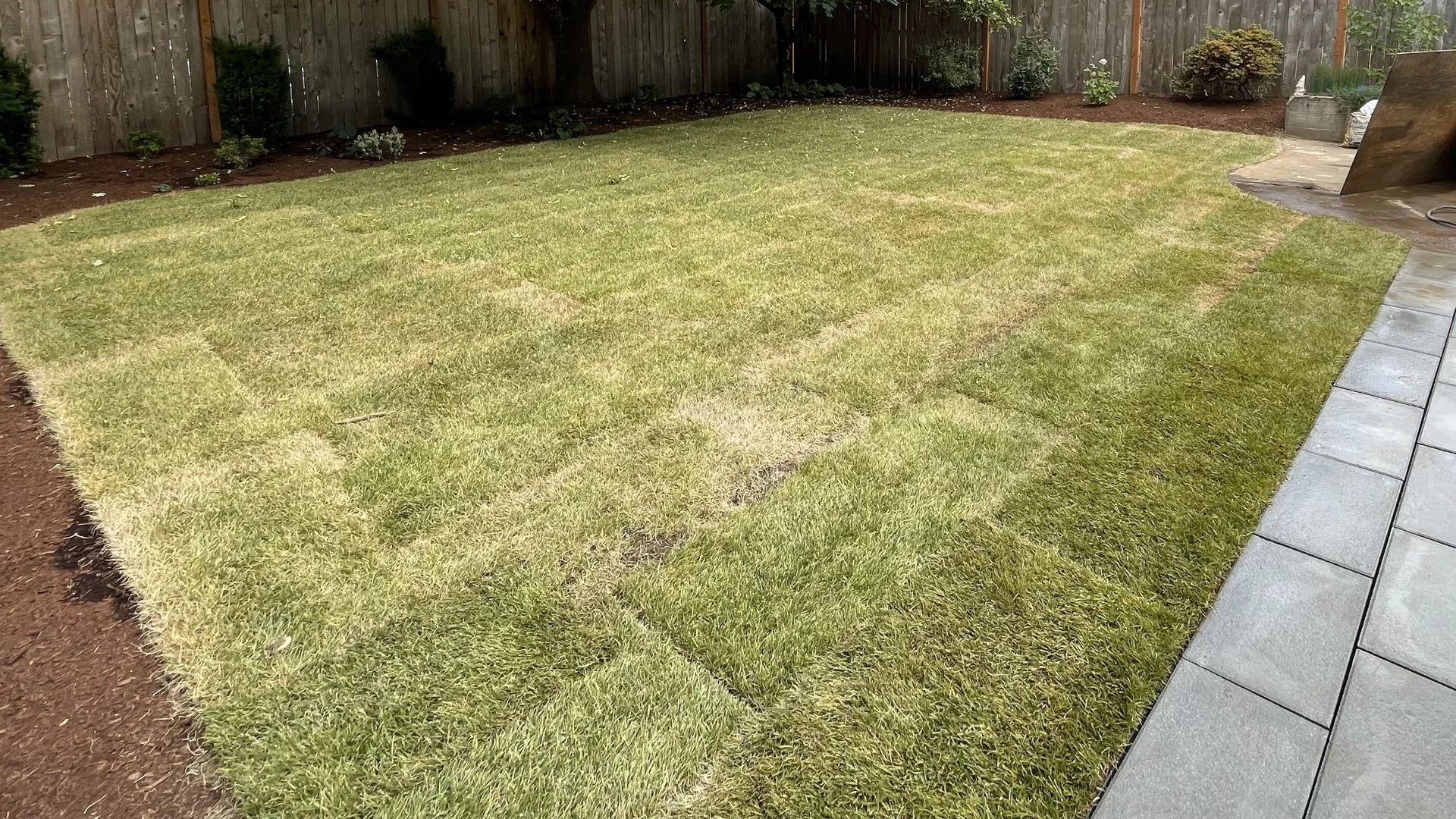
Installing sod is a great way to get a new lawn on your property in Oregon almost instantly. However, before you can install your new sod, you'll first need to properly prep your yard so that it has the best chance of successfully establishing itself. To prepare your yard for sod installation, start by removing existing grass, weeds, and debris to create a clear foundation. Next, focus ...
How Often Should You Overseed Your Lawn in Oregon?
Published on Sunday, November 16, 2025

Overseeding is a great way to fill in thin or patchy areas of your lawn in Oregon, increasing its density and curb appeal. It's recommended to do this once a year to maintain its lush, full appearance. However, the best time to schedule overseeding is in the fall, as the cooler temperatures and ideal growing conditions will yield the best results. You'll also want to pair it with aeration ...
How Often Should Sod Be Watered Right After Installation?
Published on Saturday, November 15, 2025

Sod is a great way to achieve an instantly beautiful lawn on your property in Oregon, but it's important to know how often you should water it right after installation. On the day of installation, you'll want to water it deeply to help encourage it to begin establishing roots in the soil. For the first two weeks after installation, you'll want to water your sod several times...
How Often Should Lawns in Oregon Be Mowed?
Published on Friday, November 14, 2025
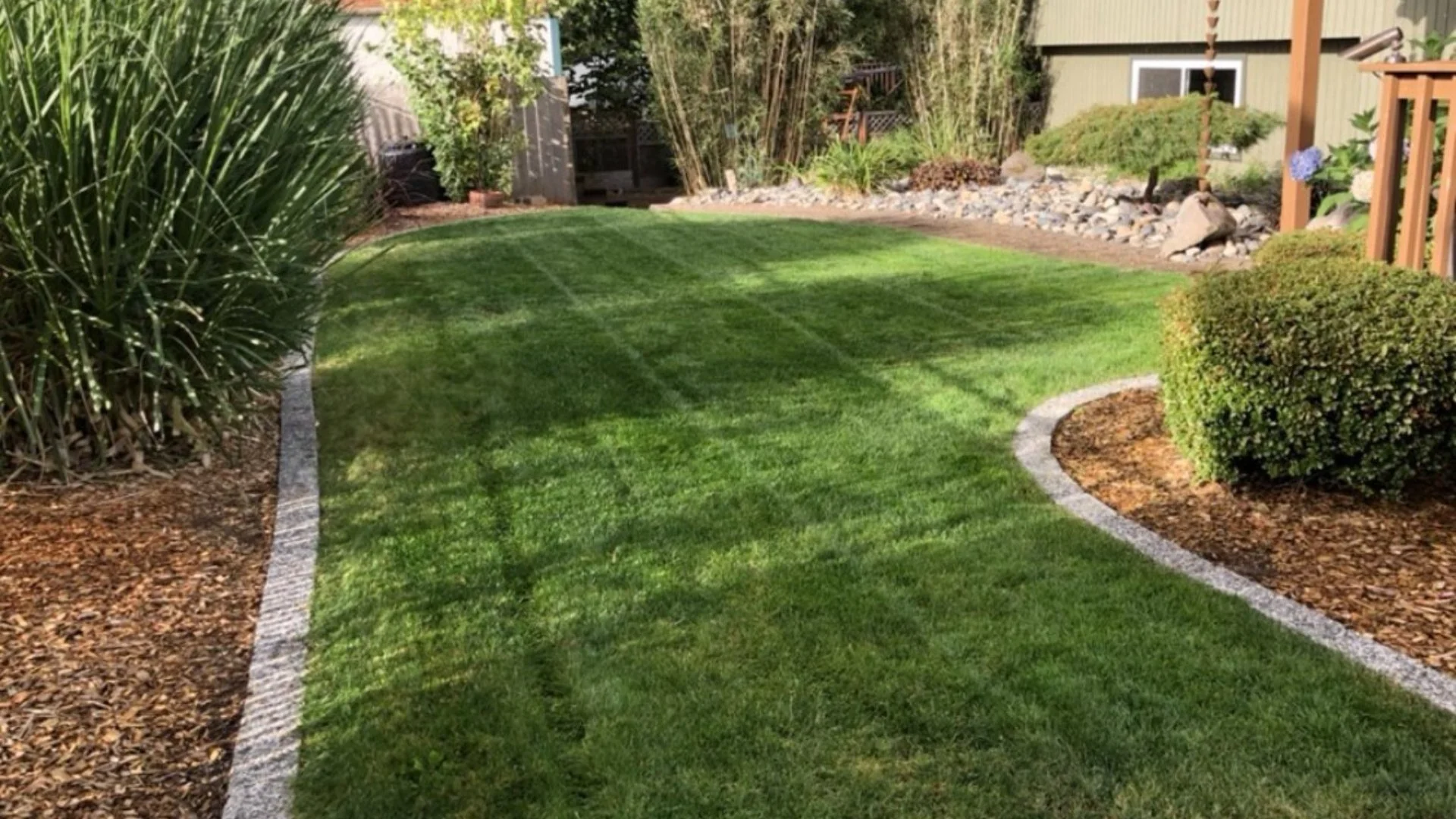
In Oregon, mowing your lawn weekly during the peak growing season helps maintain an optimal grass length, promoting a healthy and dense lawn. As growth slows in the fall, you can extend the interval to every 10 to 14 days. Consistent mowing during the growing season, which runs from mid-March to November, fosters strong root systems, helps prevent thatch buildup, and supports overall lawn health. ...
