
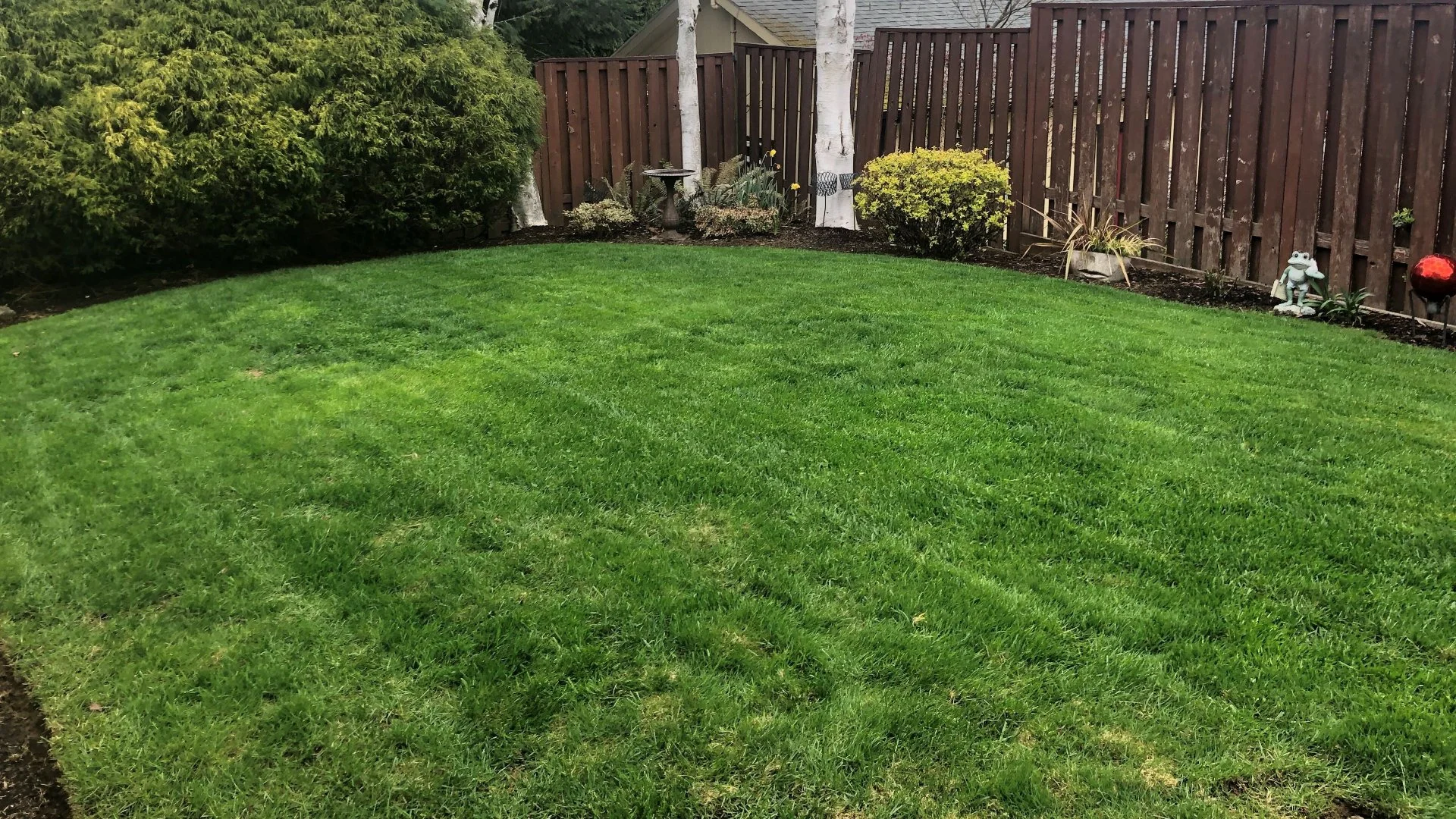
Overseeding is a great way to thicken your lawn in Oregon and fill in sparse areas. However, if you've recently overseeded your lawn and the grass seeds aren't growing, there could be a few reasons why. Grass seed may not be growing after overseeding because of poor seed-to-soil contact, which keeps them from absorbing nutrients and moisture. Inconsistent watering is also a factor, as seeds need enough moisture to sprout and take root. Another reason why the seeds don't grow after overseeding is poor soil conditions or temperature.
Poor seed-to-soil contact can cause grass seeds to not grow after overseeding.
One of the most common reasons why grass seed doesn't grow after overseeding is poor seed-to-soil contact. For grass seed to germinate and grow, it needs to be in direct contact with the soil. If the seed is not in contact with the soil, it won't be able to absorb the nutrients and moisture it needs to grow.
To ensure good seed-to-soil contact, it's important to properly prepare your lawn before overseeding. This may involve aerating the soil, removing debris, and raking the soil to create a smooth, even surface. Once you've spread the seed, use a rake or a lawn roller to press the seed into the soil. This will help ensure that the seed is in direct contact with the soil and has the best chance of germinating and growing.
Grass seed may not be growing after overseeding due to inconsistent watering.
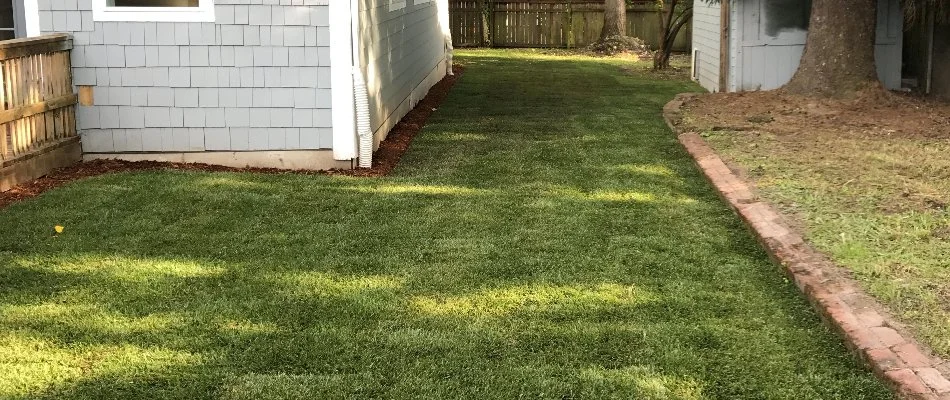
Watering plays a crucial role in the germination process. Inconsistent watering can lead to poor results, as seeds need a consistent level of moisture to sprout. Both underwatering and overwatering can hinder growth. Underwatering is a common issue, as seeds dry out quickly if not kept moist. On the other hand, overwatering can lead to waterlogged soil, depriving seeds of oxygen and causing them to rot.
To ensure consistent watering, it's important to water your lawn regularly. Water your lawn in the early morning or late afternoon when temperatures are cooler to prevent evaporation. Also, start with light but frequent watering within the first 2 weeks after overseeding to help the seeds germinate and take root. After 2 weeks, you'll want to switch to a deep but infrequent watering schedule to promote deeper root growth for the new growth.
Poor Soil Conditions or Temperature Can Affect Seed Growth After Overseeding
Soil conditions and temperature significantly impact seed germination after overseeding. Seeds won't grow if they're spread during the hot summer months or too late in the fall when soil temperatures dip below 50 degrees Fahrenheit. Timing is crucial, as seeds require optimal temperatures to germinate.
Unhealthy soil can also hinder growth. Compacted, nutrient-poor, or overly acidic soil can prevent seeds from accessing the nutrients and conditions they need. A soil test can help identify deficiencies or pH imbalances. Amending the soil with organic matter or lime can improve its health and provide a better environment for seeds to develop.
Give us a call today to schedule our overseeding service!
By ensuring good seed-to-soil contact, consistent watering, and healthy soil conditions and temperature, you can give your grass seed the best chance of growing and thriving. To ensure your lawn is overseeded properly, let our team help. Here at J&C Lawn Care, we offer an overseeding service to thicken up your lawn. Our team of experts will spread the right amount of seed on your lawn, focusing on problematic areas that are particularly sparse to ensure even growth across your yard. This service is available to property owners in Gresham, Happy Valley, Troutdale, OR, and surrounding communities. Give us a call today at (971) 284-2035 to sign up for this service!

Comments (0)
Thanks for your comment!
Thanks for your feedback! Your comments have been successfully submitted! Please note, all comments require admin approval prior to display.
Error submitting comment!
There is a problem with your comment, please see below and try again.