
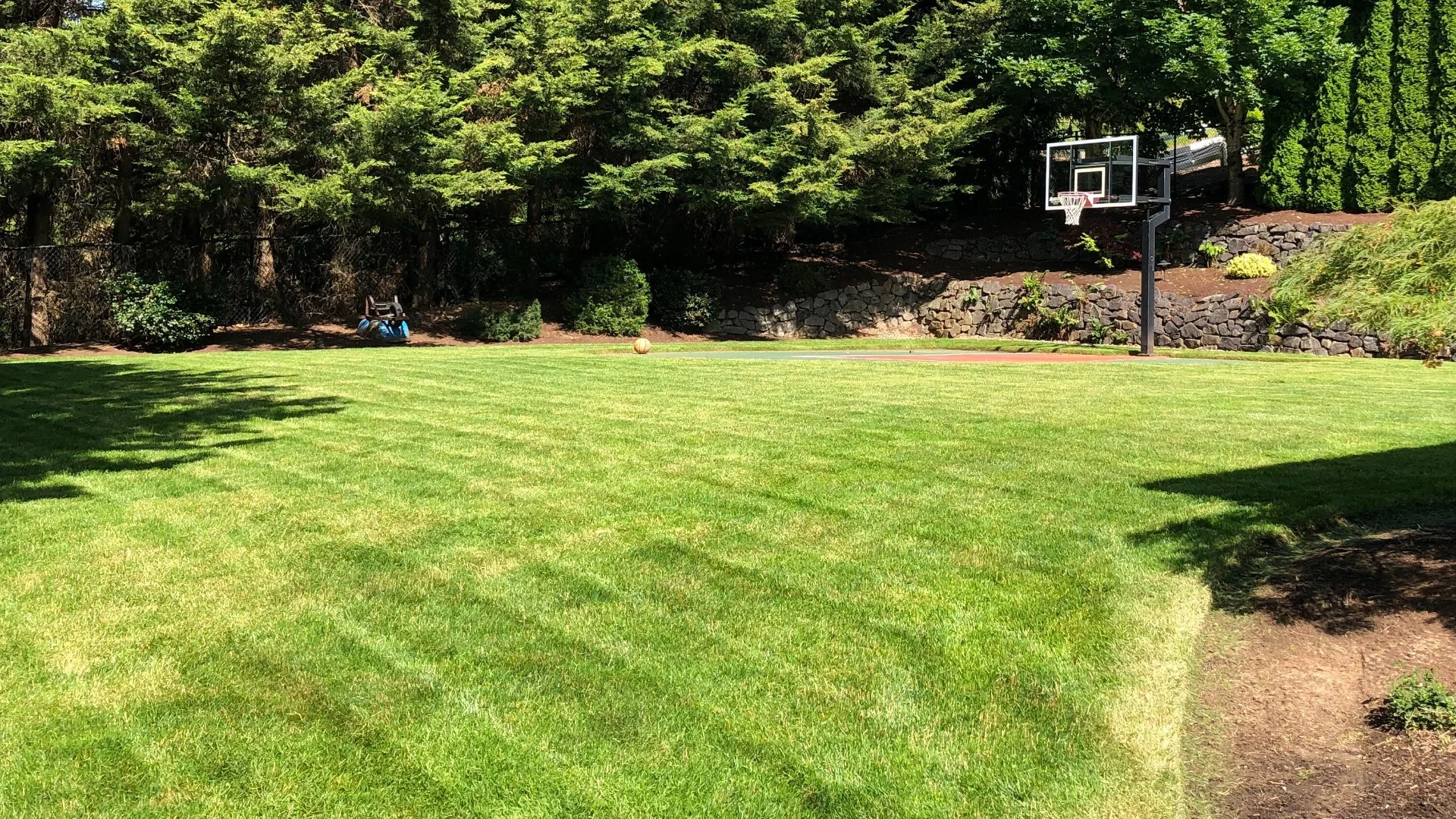
Fertilizing your lawn is a crucial part of maintaining its health and vibrancy. However, there are certain times when applying fertilizer can do more harm than good. Avoid fertilizing your lawn in Oregon when it isn't actively growing, such as during dormancy, as nutrients won't be absorbed, leading to waste and potential runoff. Fertilizing before or during heavy rainfall can also cause runoff, polluting waterways and harming ecosystems. Always check the weather forecast and choose a dry day to ensure nutrients reach the roots. During drought, avoid fertilizing, as a lack of moisture can scorch the grass. Wait until after rainfall or irrigation when the soil is moist. This approach protects your lawn, conserves resources, and minimizes environmental impact.
Avoid fertilizing when your grass isn't actively growing.
One of the most critical times to avoid fertilizing your lawn is during dormancy. Grass enters dormancy when it’s not actively growing, often during extreme temperatures like the cold of winter or the intense heat of summer. During these periods, the grass is conserving energy and not absorbing nutrients effectively. Fertilizing at this time is counterproductive because the nutrients won't be utilized by the grass, leading to waste and potential harm.
Applying fertilizer during dormancy can also lead to nutrient runoff, as the inactive roots aren't taking in the nutrients. This runoff can contaminate local waterways, causing environmental damage. To ensure your lawn benefits from fertilization, wait until you see signs of active growth, such as a vibrant green color and regular growth patterns. This indicates that the roots are ready to absorb the nutrients, making your efforts worthwhile.
Hold Off On Fertilizing Before or During Heavy Rainfall
Avoid fertilizing your lawn before or during heavy rainfall. When the ground is saturated with water, any fertilizer applied can be easily washed away into storm drains and waterways. This not only wastes your investment but also contributes to water pollution, harming aquatic life and ecosystems. Fertilizer runoff can lead to algal blooms and other environmental issues that disrupt natural habitats.
To prevent this, always check the weather forecast before applying fertilizer. Choose a day when the weather is dry and rain isn’t expected for at least 24 hours. This allows the fertilizer to be absorbed into the soil, ensuring it reaches the grass roots where it's needed most. By timing your fertilization efforts correctly, you protect both your lawn and the surrounding environment.
Avoid Fertilizing During Drought
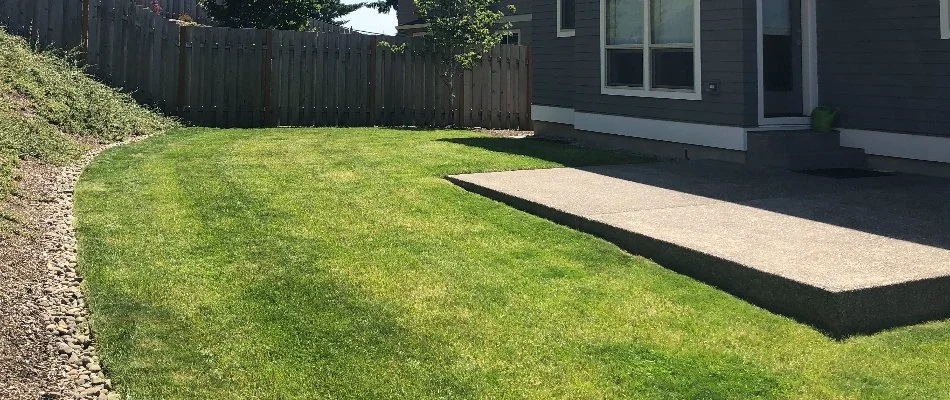
Applying fertilizer during extremely dry conditions or drought is also detrimental to your lawn. Fertilizer requires moisture to dissolve and be absorbed by the roots. In dry conditions, the lack of moisture can cause the fertilizer to sit on the grass blades, leading to scorching and damage. The grass can appear brown and dried out, making it challenging to revive.
To avoid scorching, wait until after a rainfall or irrigation, when the soil is moist, before fertilizing. This ensures that the nutrients are effectively absorbed by the roots. If you’re facing a prolonged drought, it may be best to delay fertilizing until conditions improve and regular watering can resume. This approach not only protects your lawn but also conserves valuable water resources during dry periods.
Give us a call today to enroll in our lawn fertilization service!
Fertilizing your lawn is an essential part of maintaining its health and beauty, but it's important to do it at the right time. Let our team handle your fertilization needs so you can rest assured it is done correctly. Here at J&C Lawn Care, we offer a lawn fertilization service that ensures your grass receives much-needed nutrients from spring to fall. This service involves applying a slow-release fertilizer, which means your lawn will have a steady supply of nutrients until our next treatment! We offer this service to property owners in and around Gresham, Happy Valley, and Troutdale, OR. Sign up today by calling us at (971) 284-2035!

Comments (0)
Thanks for your comment!
Thanks for your feedback! Your comments have been successfully submitted! Please note, all comments require admin approval prior to display.
Error submitting comment!
There is a problem with your comment, please see below and try again.