
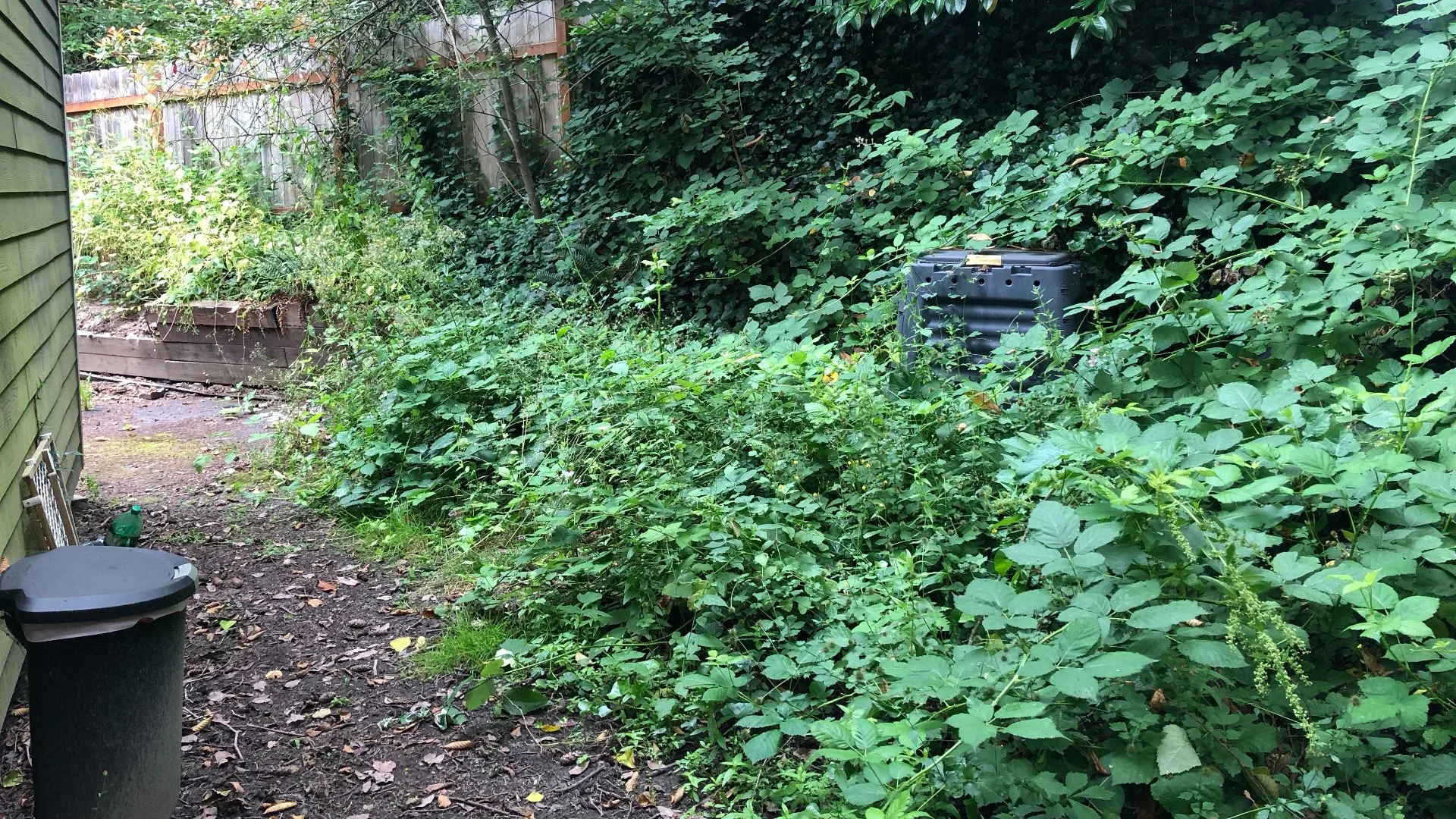
Native blackberries are common here in Oregon, but so is another type: the Himalayan blackberry. While the native blackberry is not detrimental, the Himalayan blackberry is an invasive species that can harm other vegetation. There are a few ways to tell them apart, as the latter is known for its vigorous, sprawling growth, large thorns, and white or silvery appearance on the underside of its leaves. If you notice Himalayan blackberries on your property, you'll want to hire pros to get rid of them. They have the knowledge and experience to identify and effectively eliminate this invasive species.
Himalayan blackberries are an invasive species that is detrimental to other vegetation.
Native blackberries are not detrimental to other vegetation, but Himalayan blackberries are. Himalayan blackberries are an invasive species that can quickly take over and harm other plants. They form dense thickets that outcompete native vegetation for resources, such as sunlight, water, and nutrients. These blackberries also spread rapidly and can increase the likelihood of soil erosion, compromising the integrity of landscapes. Because of this, it's crucial to keep an eye out for them on your property and take action to eliminate them if you do.
How can you tell the difference between native and Himalayan blackberries?
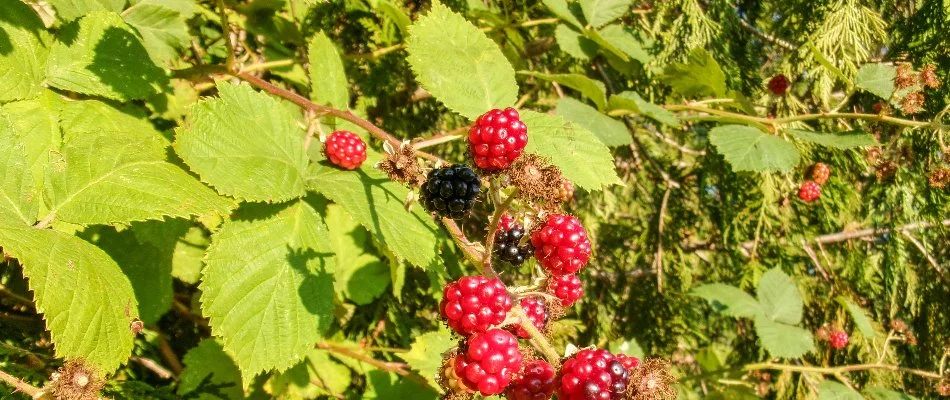
There are a few ways to tell the difference between native and Himalayan blackberries. For one, their growth habits differ. Himalayan blackberries are known for their vigorous, sprawling growth, often forming dense thickets. On the other hand, native blackberries tend to have a more trailing or upright growth habit, staying closer to the ground or growing taller but not as densely as Himalayan blackberries.
Another difference between native and Himalayan blackberries is their thorns. Himalayan blackberries have large, stout, and widely spaced thorns, often described as resembling rose thorns. Meanwhile, native blackberries usually have smaller, more numerous, and sometimes hairy thorns, sometimes described as "pipe cleaner" like thorns.
Lastly, you can tell the difference between native and Himalayan blackberries by their leaves. A key identifier for Himalayan blackberries is the white or silvery appearance on the underside of the leaves, often referred to as "white felt." Native blackberries generally have leaves with a similar color on both sides.
Hire Pros to Get Rid of Himalayan Blackberries on Your Property
If you notice Himalayan blackberries on your property, you'll want to hire pros to get rid of them. After all, they have the knowledge and experience to identify them and utilize highly effective methods to eliminate them. This invasive species can quickly grow back if not removed properly, but pros will ensure the entire plant, including the roots, is gone. When you leave it to the experts, you can trust that they'll get rid of the Himalayan blackberries on your property.
Call us today to schedule our Himalayan blackberry removal service.
If you want to eliminate the Himalayan blackberries on your property, look no further than our team at J&C Lawn Care! We offer a blackberry removal service to take care of this invasive species so it doesn't pose a threat to your other vegetation. Our team has been removing Himalayan blackberries since 2017, so you can trust that we have the skills and experience to do the same for you next.
We offer our blackberry removal service to residential and commercial property owners in Portland, Gresham, Beaverton, Happy Valley, OR, and throughout the surrounding cities. Call us today at (971) 284-2035 to schedule this service and take the first step toward reclaiming your property from this invasive species!

Comments (0)
Thanks for your comment!
Thanks for your feedback! Your comments have been successfully submitted! Please note, all comments require admin approval prior to display.
Error submitting comment!
There is a problem with your comment, please see below and try again.