
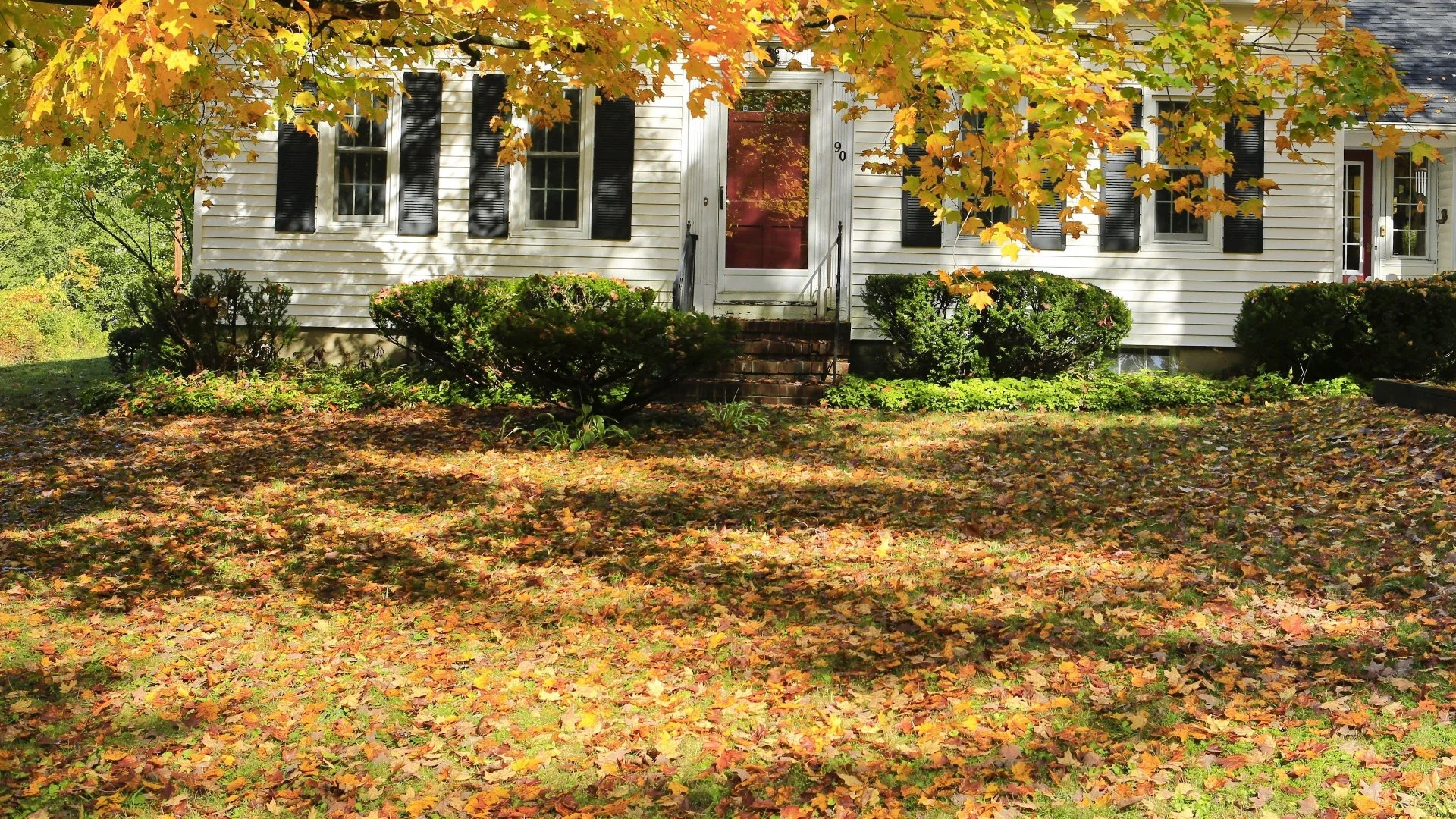
Leaf piles can cause lawn diseases by trapping moisture, blocking sunlight, and inhibiting airflow, creating perfect conditions for fungal growth. If leaves remain over winter, it can lead to significant lawn damage by spring. Regularly removing leaves, especially wet and clumped ones, helps prevent these issues. Hiring professionals can ensure consistent leaf removal, maintaining a healthy lawn in Oregon with less effort.
How Leaf Piles Can Cause Lawn Diseases
Leaf piles can create ideal conditions for lawn diseases by affecting moisture, sunlight, and airflow. Here's how each factor contributes to potential problems:
- Trapping Moisture: Leaf piles create a humid environment by trapping moisture underneath. This dampness is ideal for fungal growth, which can quickly spread and cause lawn diseases. The constant moisture weakens the grass, making it more susceptible to pathogens.
- Blocking Sunlight: When leaves cover your lawn, they block essential sunlight from reaching the grass. Sunlight is crucial for photosynthesis, and without it, the grass can weaken and become more prone to disease. Over time, this lack of sunlight can lead to dead patches and reduced lawn vitality.
- Inhibiting Airflow: Leaves form a dense mat that inhibits proper airflow across the lawn. Adequate air circulation helps dry out moisture and prevents the growth of fungi and mold. Without airflow, the grass remains damp, creating a breeding ground for various lawn diseases.
If leaf piles sit on your lawn over the winter, you may have to deal with a lawn disease come spring.
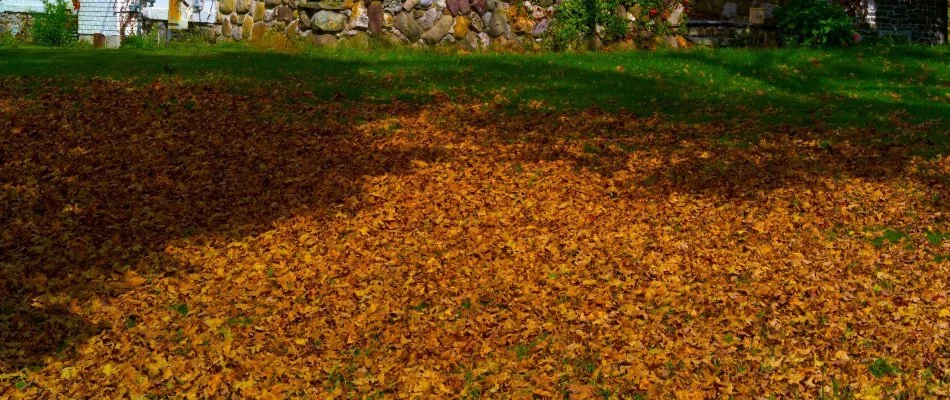
Allowing leaf piles to sit on your lawn throughout the winter can lead to serious problems come spring. During the colder months, your grass is already in a vulnerable state due to dormancy. The added stress of wet, compacted leaves can cause severe damage that becomes apparent when spring arrives. You may find yourself dealing with dead patches, mold, and other signs of lawn disease as the weather warms up.
Winter is a critical time for your lawn, and allowing leaf piles to remain can have long-lasting effects. The combination of cold temperatures and trapped moisture creates a challenging environment for your grass to recover from. By the time spring rolls around, the damage may be extensive, requiring significant effort and resources to restore your lawn to its former glory.
How to Prevent Lawn Diseases From Establishing Due to Leaf Piles
Preventing lawn diseases caused by leaf piles requires proactive and consistent effort throughout the fall. Regularly removing leaves from your yard is the most effective way to protect your lawn. Make it a habit to clear leaves at least once a week, especially if they cover more than 20% of your lawn. This ensures that your grass receives the sunlight and airflow it needs to remain healthy.
Pay special attention to wet, clumped leaf piles, as they pose the greatest risk for disease. These should be cleared immediately to prevent moisture from becoming trapped and creating a breeding ground for pathogens. If managing leaf removal becomes overwhelming, consider hiring lawn care experts. Professionals can efficiently handle leaf piles, saving you time and effort while ensuring your lawn stays healthy.
Call our team today to sign up for our leaf removal service.
While leaves can add a certain charm to your yard in the fall, letting them sit on your lawn over the winter can be problematic. Here at J&C Lawn Care, we offer a leaf removal service to help keep your lawn neat and healthy! Typically, the first visit is scheduled when a third of the leaves have fallen in your yard. Then, we will return after most of the leaves have already fallen to ensure your lawn is not being smothered by wet leaf piles.
Don't let leaf piles jeopardize the health of your lawn. We proudly offer this service to property owners in and around Gresham, Happy Valley, and Troutdale, OR. Schedule our professional leaf removal service today by giving us a call at (971) 284-2035.

Comments (0)
Thanks for your comment!
Thanks for your feedback! Your comments have been successfully submitted! Please note, all comments require admin approval prior to display.
Error submitting comment!
There is a problem with your comment, please see below and try again.