
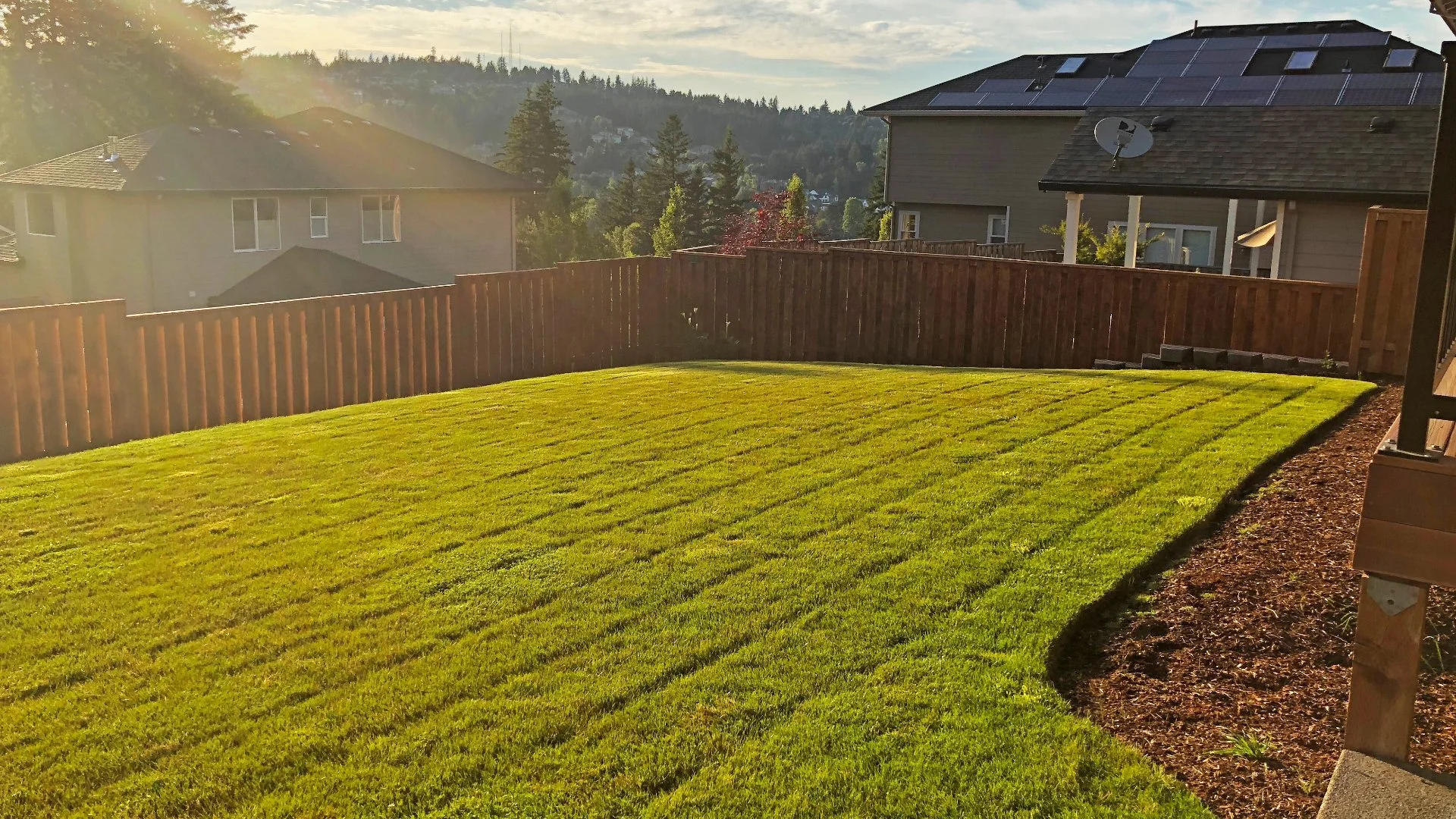
Mowing your lawn after it rains can lead to several issues, which is why you should avoid doing it. Wet grass clogs the mower, risking damage and costly repairs. Mowing after it rains also creates ruts in soft, saturated soil, disrupting drainage and impacting the lawn’s health. The mower blades also struggle with wet, heavy grass, often ripping instead of cutting cleanly, resulting in a patchy appearance.
Furthermore, wet conditions promote fungal diseases, and mowing can spread these pathogens, damaging the lawn. By waiting for your lawn in Oregon to dry before mowing it, you ensure clean cuts, protect your equipment, and maintain a healthy, lush yard.
You can clog up your mower if you mow your lawn after it rains.
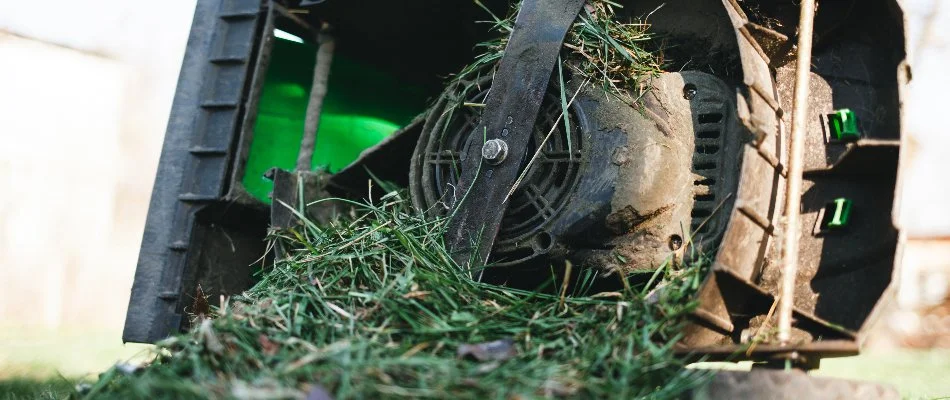
Wet grass can easily clog up your mower, causing it to perform poorly or even break down. When grass is wet, it becomes heavier and tends to clump together. These clumps of grass clippings can accumulate under the mower deck, slowing down the blade and potentially stalling the engine. This isn't just an inconvenience; it's a problem that could lead to costly repairs. Regularly mowing wet grass might also contribute to corrosion, as moisture can damage metal parts of the mower. By waiting until your lawn is dry, you ensure your equipment runs smoothly and efficiently, extending its lifespan significantly.
Mowing your lawn after it rains can cause ruts in your soil.
Mowing on wet ground can create unsightly ruts and compaction in the soil. When the ground is saturated with water, it becomes soft and more easily compressed. As the heavy mower wheels press down on this soft ground, they can create deep grooves that disrupt the lawn's surface. These ruts are not only aesthetically displeasing but can also interfere with your lawn's drainage and overall health. Compacted soil in these ruts restricts root growth and reduces the ground's ability to absorb nutrients and water. By steering clear of mowing until your lawn dries out, you protect its structural integrity and long-term health.
Mowing your lawn after it rains can cause the blades to rip the grass instead of cutting it cleanly.
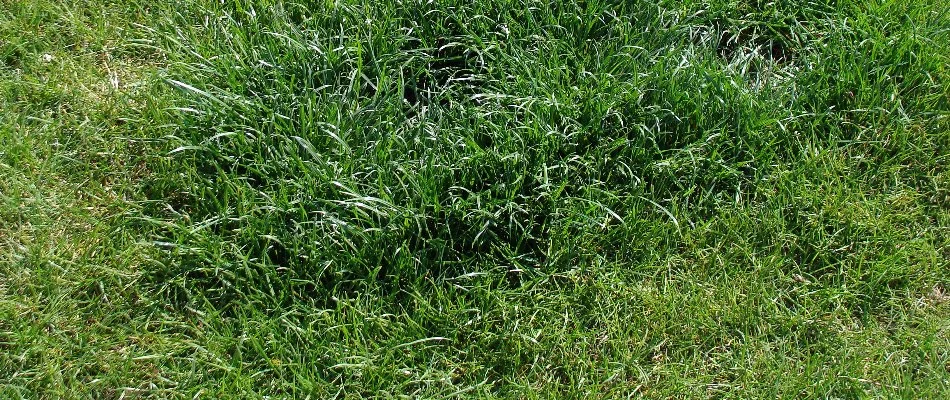
One of the key goals of mowing is to achieve a neat and even cut that promotes healthy grass growth. Unfortunately, wet grass is tough to cut cleanly. When grass blades are wet, they become more pliable and are likely to bend under the mower instead of standing upright. This often results in an uneven cut where the blades are torn or shredded instead of being cleanly sliced. These ragged edges can make your lawn look patchy and can also turn brown at the tips. Clean cuts are essential for maintaining a healthy lawn, as they reduce stress on the grass. Postponing your mowing session until the grass is dry ensures your mower blades work effectively, leaving your lawn looking its best.
Mowing your lawn after it rains can spread fungal diseases.
A wet lawn is an inviting environment for fungal diseases to flourish. Mowing wet grass can exacerbate these problems as the mower blades can spread fungal spores throughout your lawn. Diseases can quickly undermine the health of your grass, leading to discolored patches and potentially even dead zones. By waiting until the lawn is dry, you minimize the risk of spreading these harmful pathogens and protect your turf from unnecessary stress and decline.
Call us today to sign up for our lawn mowing service.
At J&C Lawn Care, we want to help you keep your lawn pristine, so we offer our professional lawn mowing service for your convenience! Our team follows a rigorous schedule to ensure your grass is at the right height. This service starts with weekly mowing in the spring and then adjusts to mowing every 10 to 14 days by late fall. Best of all, we cut grass at the proper height based on its type!
We offer our lawn mowing service to property owners in Gresham, Happy Valley, Troutdale, and throughout the surrounding areas in Oregon. Call us today at (971) 284-2035 to sign up for this service and let us maintain your lawn for you!

Comments (0)
Thanks for your comment!
Thanks for your feedback! Your comments have been successfully submitted! Please note, all comments require admin approval prior to display.
Error submitting comment!
There is a problem with your comment, please see below and try again.