
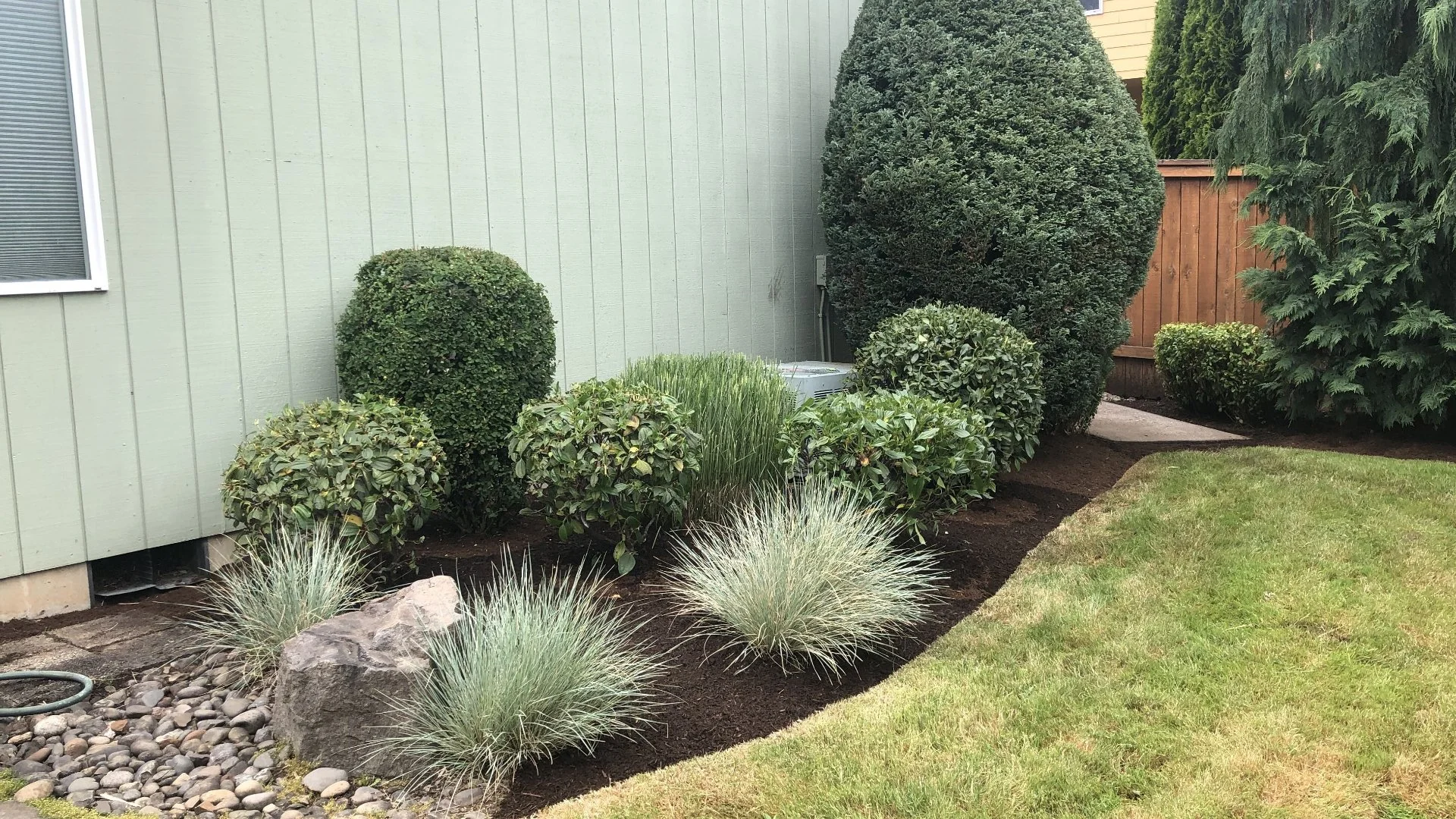
Transforming your landscape in Oregon into a vibrant and visually appealing masterpiece requires more than just adding a few plants here and there. Enhancing your landscape's curb appeal can be achieved by strategically layering plants. Start by arranging plants by height using the 3-tier rule: tallest plants like shrubs and trees at the back, medium-sized perennials in the middle, and small, low-growing plants at the front.
Stagger plants in a zig-zag pattern to create depth and interest. Group 3-5 similar plants together for visual impact and cohesion. Incorporate contrasting leaf textures and shapes to add depth, and experiment with complementary colors for a vibrant or harmonious look. These techniques will transform your garden into a visually appealing and inviting space.
Arrange your plants by height to improve your landscape's appearance.
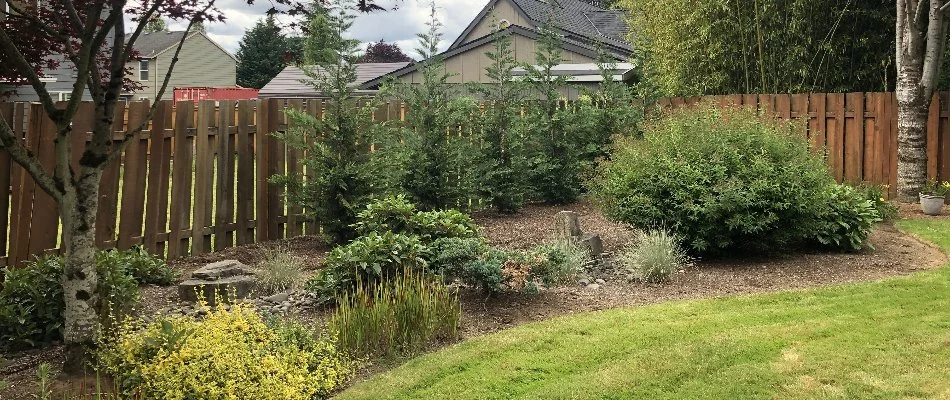
When planning your garden, arranging plants by height is crucial. The 3-tier rule is a helpful guideline to follow:
- Tallest Plants in the Back or Center: Start with the tallest plants, such as shrubs and trees. These serve as the backbone of your garden, providing structure and a natural backdrop. Consider plants like ornamental grasses, hydrangeas, or small trees like Japanese maples. Placing them at the back or center creates a strong visual foundation.
- Medium-Sized Plants in the Middle: Next, layer in medium-sized plants such as perennials or smaller shrubs. These plants add volume and fill the space between the tallest and shortest plants. Examples include coneflowers, lavender, or dwarf lilacs. They create a seamless transition from the back to the front of the garden.
- Small/Low-Growing Plants in Front: Finally, position small or low-growing plants at the front. These can be annuals, perennials, or ground covers. Think of plants like creeping thyme, petunias, or alyssum. They provide the finishing touch, softening edges and adding a splash of color at ground level.
Stagger Plants in a Zig-Zag Pattern
Rather than arranging your plants in straight lines, consider staggering them in a zig-zag pattern. This approach creates depth and allows for a more dynamic view of your garden. The zig-zag pattern breaks the monotony and ensures that each plant is visible, showcasing its unique features.
By staggering plants, you also create natural pathways and focal points. This encourages the eye to move through the garden, making the space feel larger and more interesting. It’s a simple yet effective way to enhance the overall design without overcrowding.
Group Similar Plants Together in Your Landscape
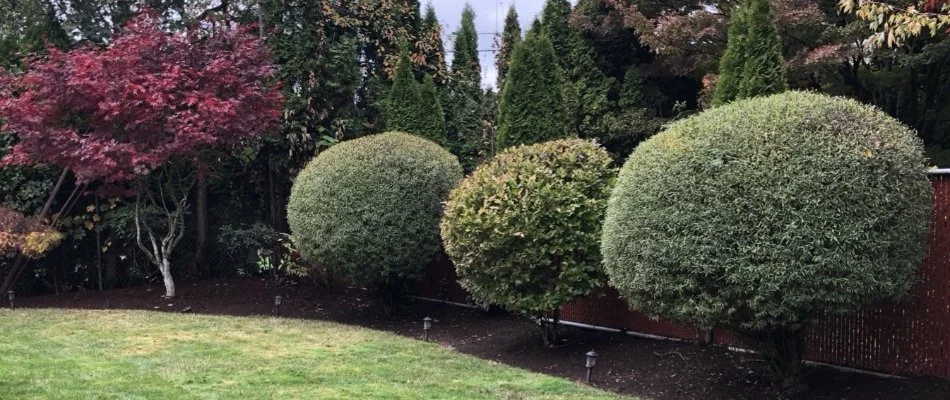
Grouping 3-5 plants of the same type together, rather than scattering them throughout the beds, adds more visual impact. Mass plantings create bold statements and draw attention to specific areas of your garden. This technique emphasizes the beauty of each plant species and creates a sense of cohesion.
For example, a cluster of three hydrangeas can create a striking display of color and texture. Similarly, a group of five lavender plants can provide a fragrant and attractive border. Grouping plants also simplifies maintenance, as similar plants often have similar care requirements.
Use Contrasting Leaf Textures & Shapes When Layering Plants
Incorporating contrasting leaf textures and shapes adds depth and interest to your landscape. By mixing plants with different foliage, you create a rich tapestry that captures attention. Consider pairing the feathery leaves of ferns with the broad leaves of hostas, or the spiky foliage of yuccas with the soft, rounded leaves of geraniums.
Additionally, you can play with contrasting or complementary colors to achieve your desired color scheme. For instance, pairing purple salvia with yellow coreopsis creates a vibrant and eye-catching display. Alternatively, using a monochromatic scheme with varying shades of green can evoke a sense of tranquility and harmony.
Give us a call today to schedule our landscape design and installation service!
Layering plants in your landscape is a powerful technique that can transform your outdoor space into a work of art. Leave your landscape design in our expert hands with our professional landscape design and installation service! This service begins with an initial consultation, and then creating a beautiful design to ensure your landscape looks beautiful. We'll make sure the plants and flowers are arranged properly to showcase their beauty!
Some of the plants we can incorporate into your landscape include black-eyed Susans, lavenders, ferns, boxwoods, and more. This service is offered to properties in Portland, Gresham, Beaverton, OR, and nearby areas. Give us a call today at (971) 284-2035 to sign up for this service!

Comments (0)
Thanks for your comment!
Thanks for your feedback! Your comments have been successfully submitted! Please note, all comments require admin approval prior to display.
Error submitting comment!
There is a problem with your comment, please see below and try again.