

 Reviews
Showing 51-60 of 235 articles.
Spring Fertilization Is Important, but Don’t Apply It Too Early!
Published on Wednesday, November 05, 2025
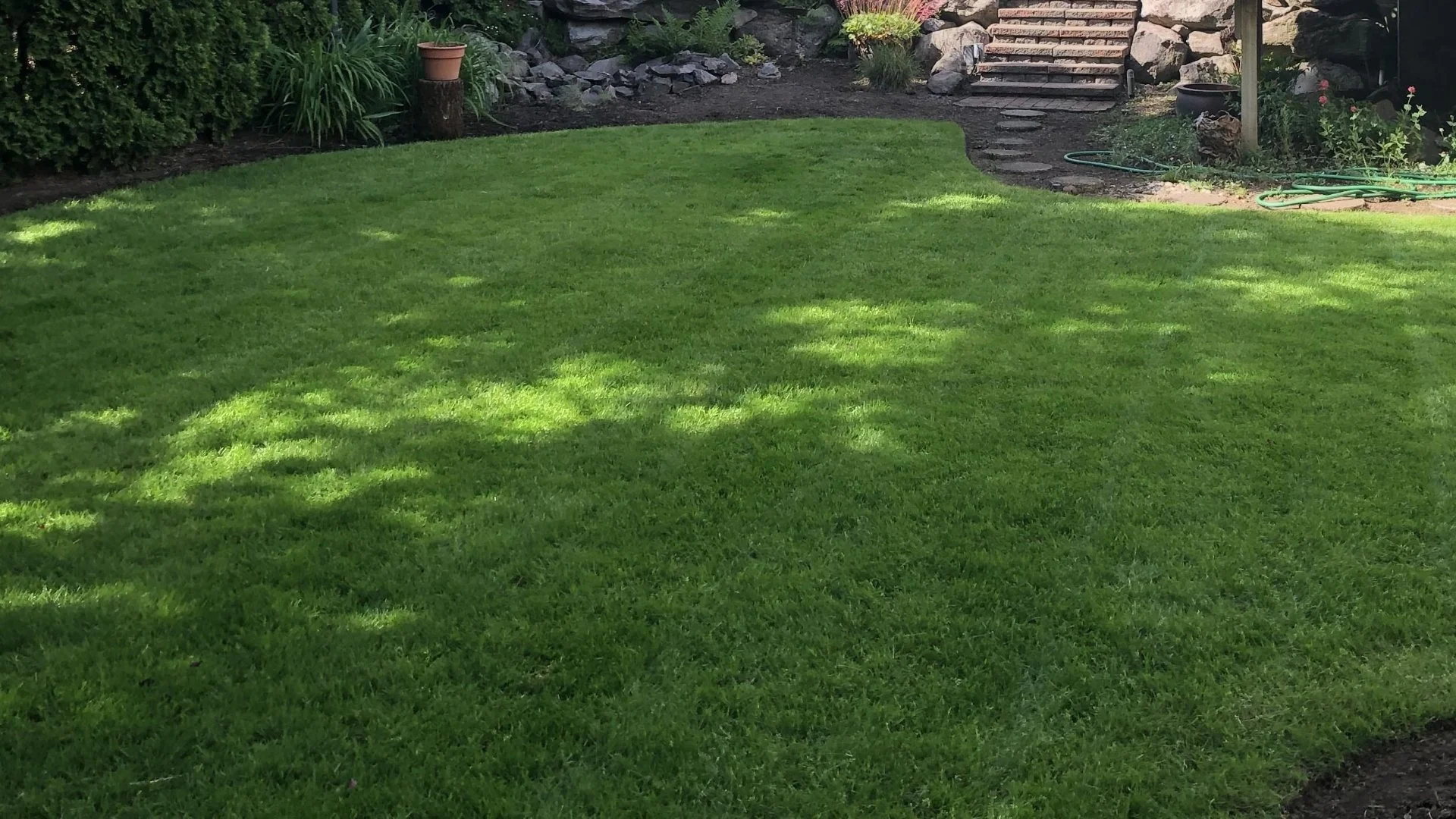
As winter fades away, your lawn will need a boost to recover from dormancy and prepare for the growing season ahead. While spring fertilization is crucial for your grass, timing is equally important! Applying fertilizer too early, when the ground is still frozen, can prevent it from being absorbed and utilized, causing it to run off into nearby waterways. Instead, you should wait until the soil...
The 1/3 Rule: A Crucial Lawn Mowing Practice to Always Follow
Published on Tuesday, November 04, 2025
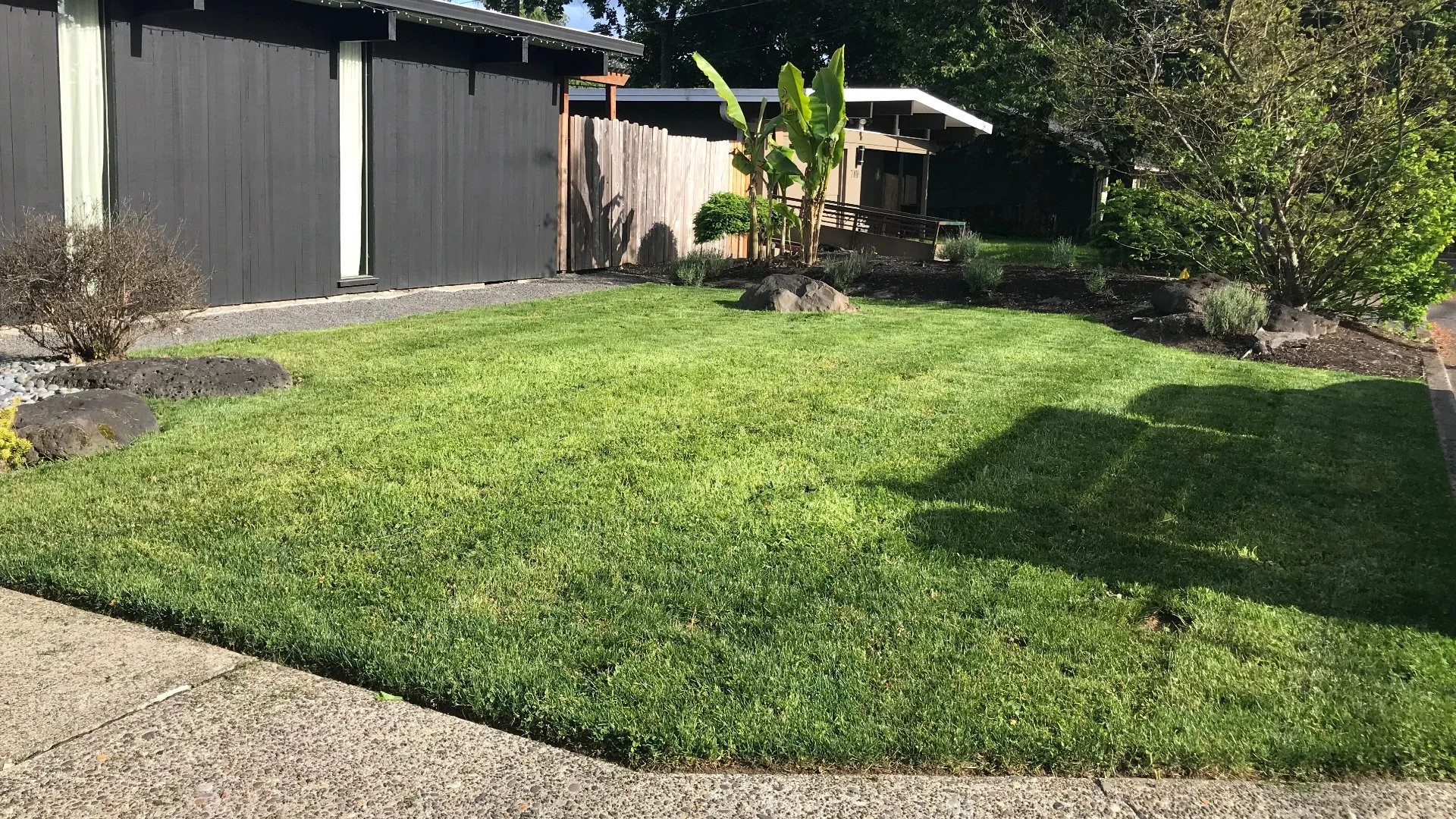
Mowing your lawn is an essential part of maintaining its health and appearance. However, it's not just about cutting the grass; it's about doing it correctly. That's where the 1/3 rule comes in. The 1/3 rule advises never cutting more than one-third of the grass blade’s height during a mowing session to prevent stress and promote healthy growth. This practice maintains enough...
These Mistakes Are Common With DIY Overseeding
Published on Monday, November 03, 2025

Overseeding is an excellent way to fill in bare and patchy areas on your lawn in Oregon, making it thicker and lusher. However, it's important to be aware of common mistakes that occur with DIY overseeding so you can avoid them. Failing to prep the soil beforehand is one such mistake, which is crucial for ensuring the grass seeds have the best chances of germinating and establishing....
How Long Until Fertilizer Absorbs into Your Lawn?
Published on Sunday, November 02, 2025
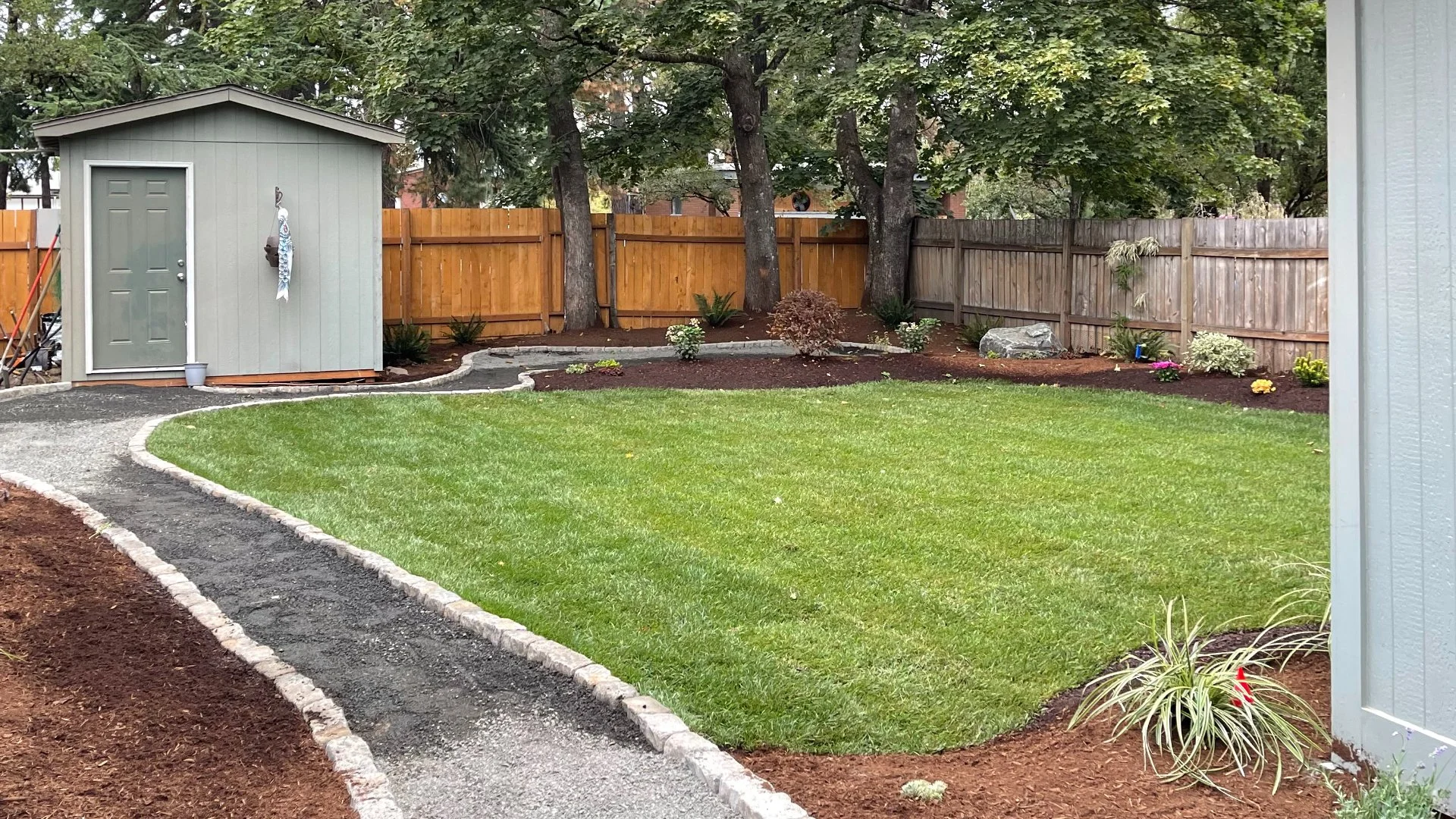
Fertilizer absorption in lawns varies with type and weather. Liquid fertilizers absorb quickly, providing an immediate nutrient boost for your lawn. Granular fertilizers take longer, as they need water to dissolve before they start releasing nutrients gradually. Warm, sunny weather accelerates absorption by enhancing grass growth and soil activity, while cool, cloudy days slow it down. When it...
How Long Should You Wait to Mow After Overseeding?
Published on Saturday, November 01, 2025
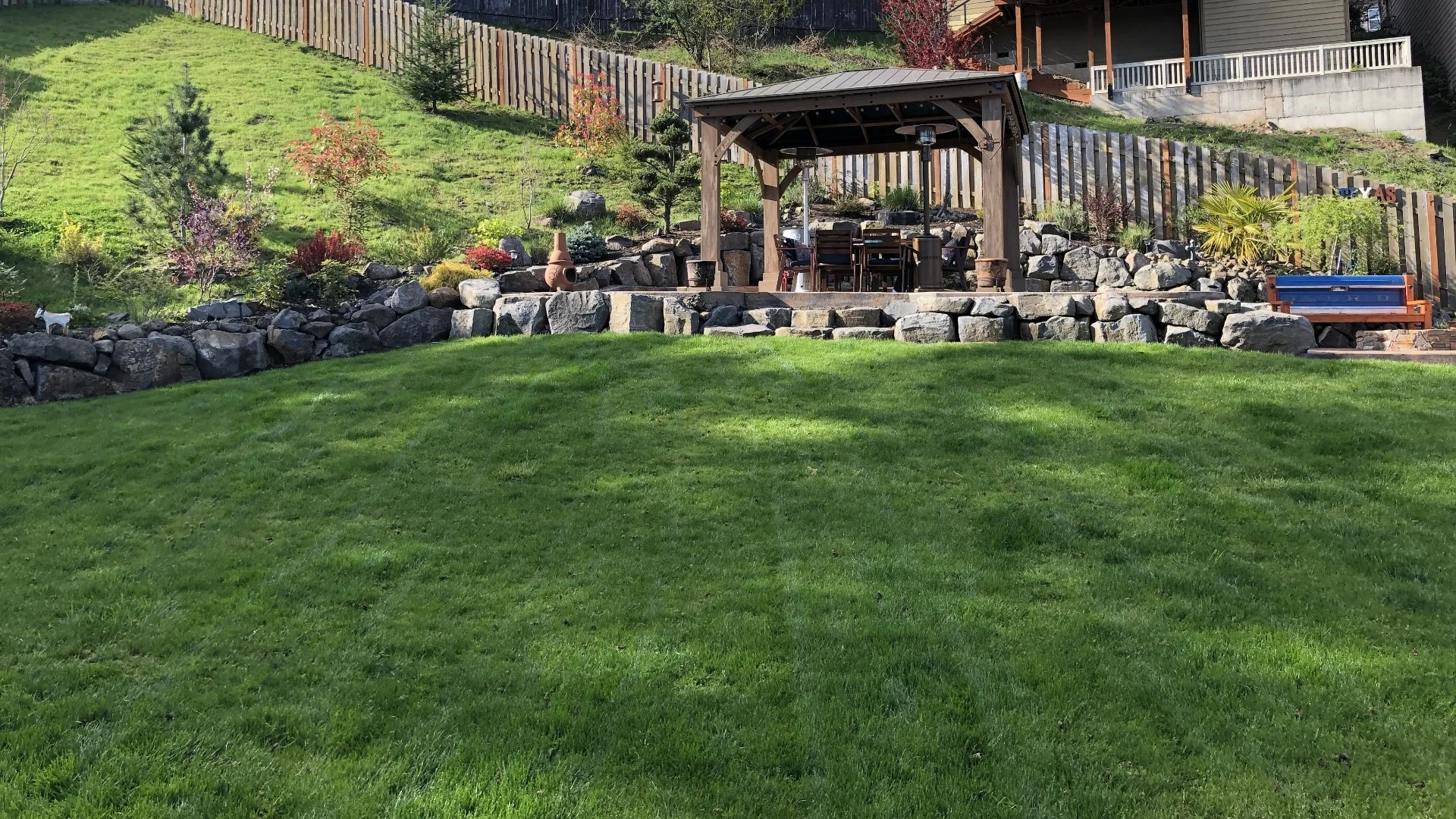
If your lawn in Oregon is patchy and thin, overseeding is just what you need to fill it in. However, how long should you wait to mow it again after overseeding? It's best to wait 2-4 weeks before mowing your lawn to allow the seeds to establish in the soil. Additionally, you'll want to make sure the new grass is about 3 inches tall before you go to cut it. When it's finally...
How Long Should You Stay Off Your Lawn After It Has Been Overseeded?
Published on Thursday, October 30, 2025
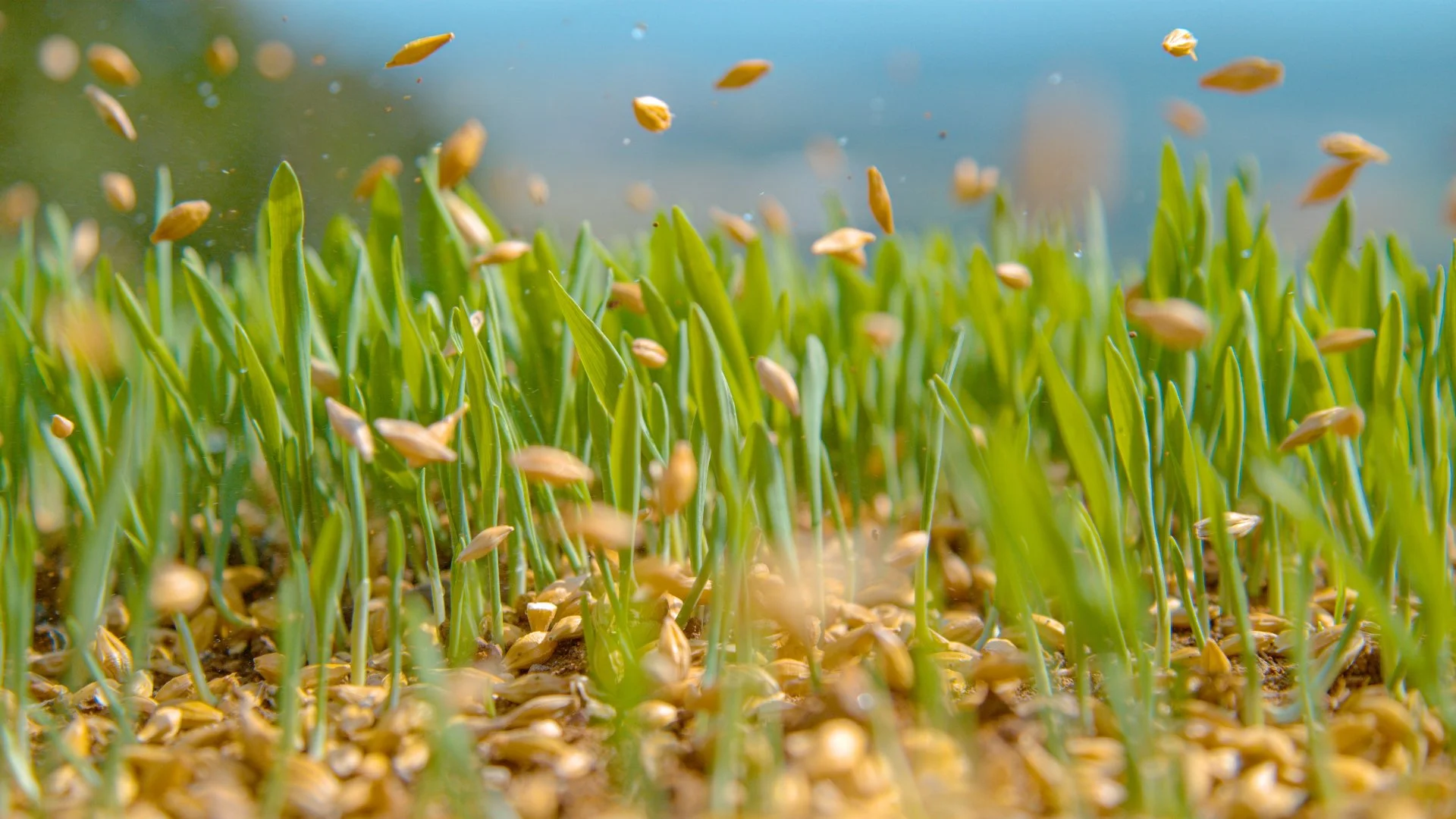
Overseeding is a lawn care service that involves spreading grass seeds across your existing lawn in Oregon to fill in bare or patchy areas, making it look fuller and more lush. However, after overseeding, you'll want to stay off it for at least 2 weeks to give the seeds time to grow and establish themselves. After the grass has been mowed 2-3 times, you can start using your lawn like...
How Long Does It Usually Take to See Results From Overseeding?
Published on Wednesday, October 29, 2025
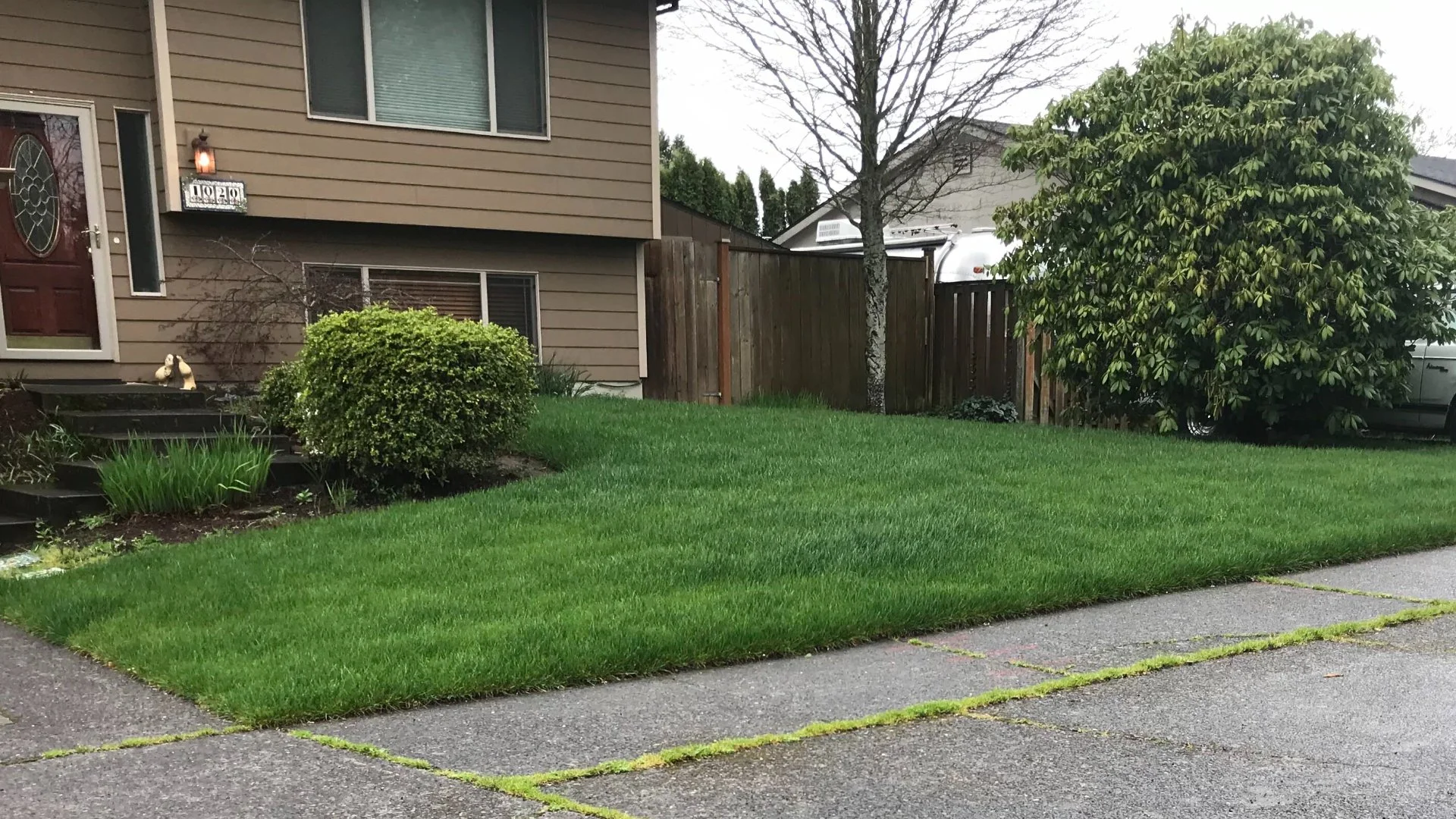
Overseeding is a great way to improve the density of your grass and fill in any bare or patchy areas on your turf. After overseeding your lawn in Oregon, you can expect the seeds to start germinating in about 7-10 days. After 2-4 weeks have passed, you'll start to see new grass growth on your lawn. However, it's important to note that the results you'll see will also depend on...
How Long After Post-Emergent Weed Control Will Weeds Start Dying Off?
Published on Tuesday, October 28, 2025
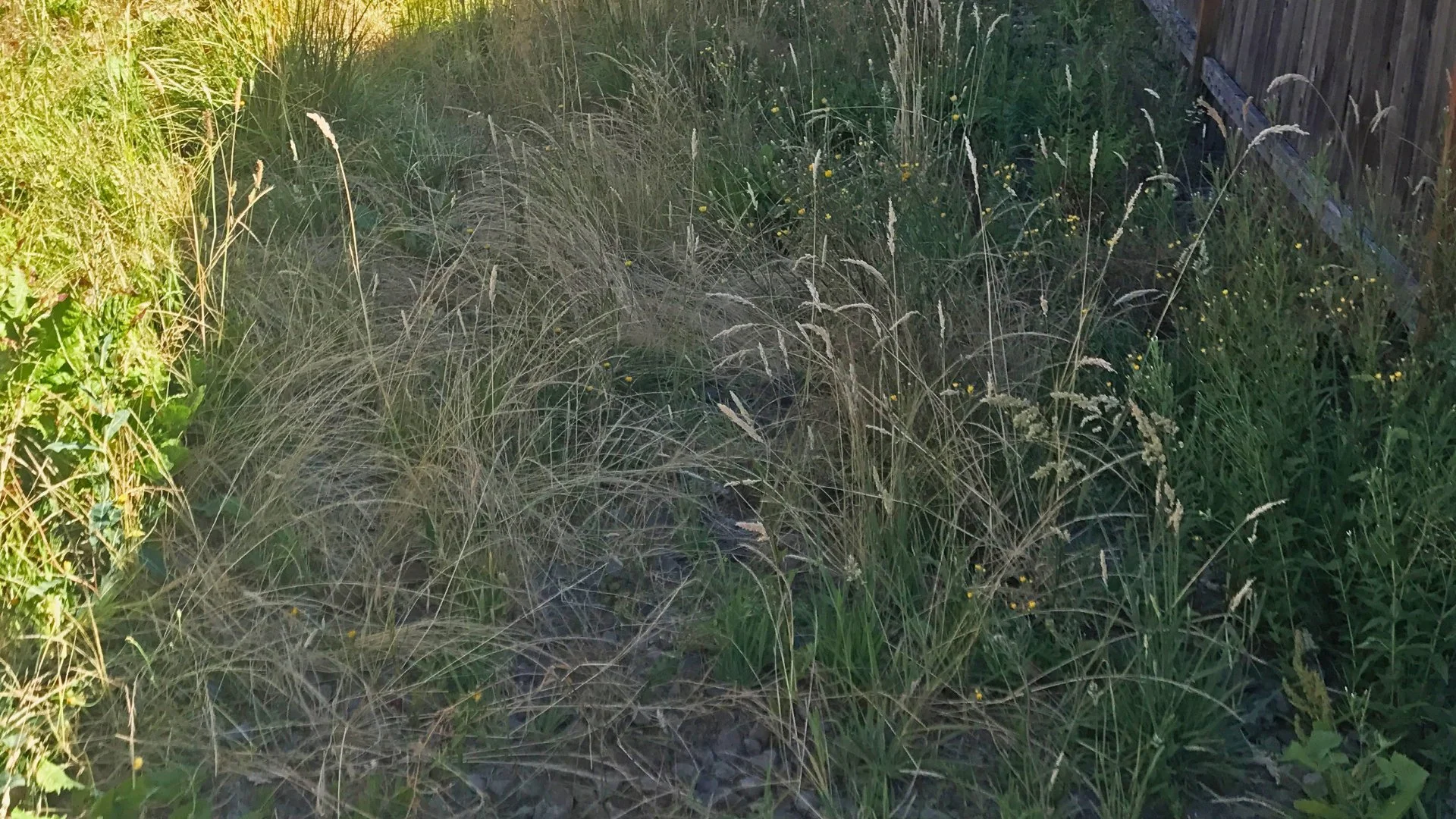
Post-emergent weed control treatments are an effective way to tackle existing weeds on your lawn in Oregon. Once applied, they will show initial results within a week or two, with full effects typically visible within a month. The herbicide disrupts weed growth by penetrating and damaging their internal systems. Full efficacy depends on correct application, requiring suitable weather...
How Himalayan Blackberry Harms Your Plants & Why Removal Is Necessary
Published on Monday, October 27, 2025
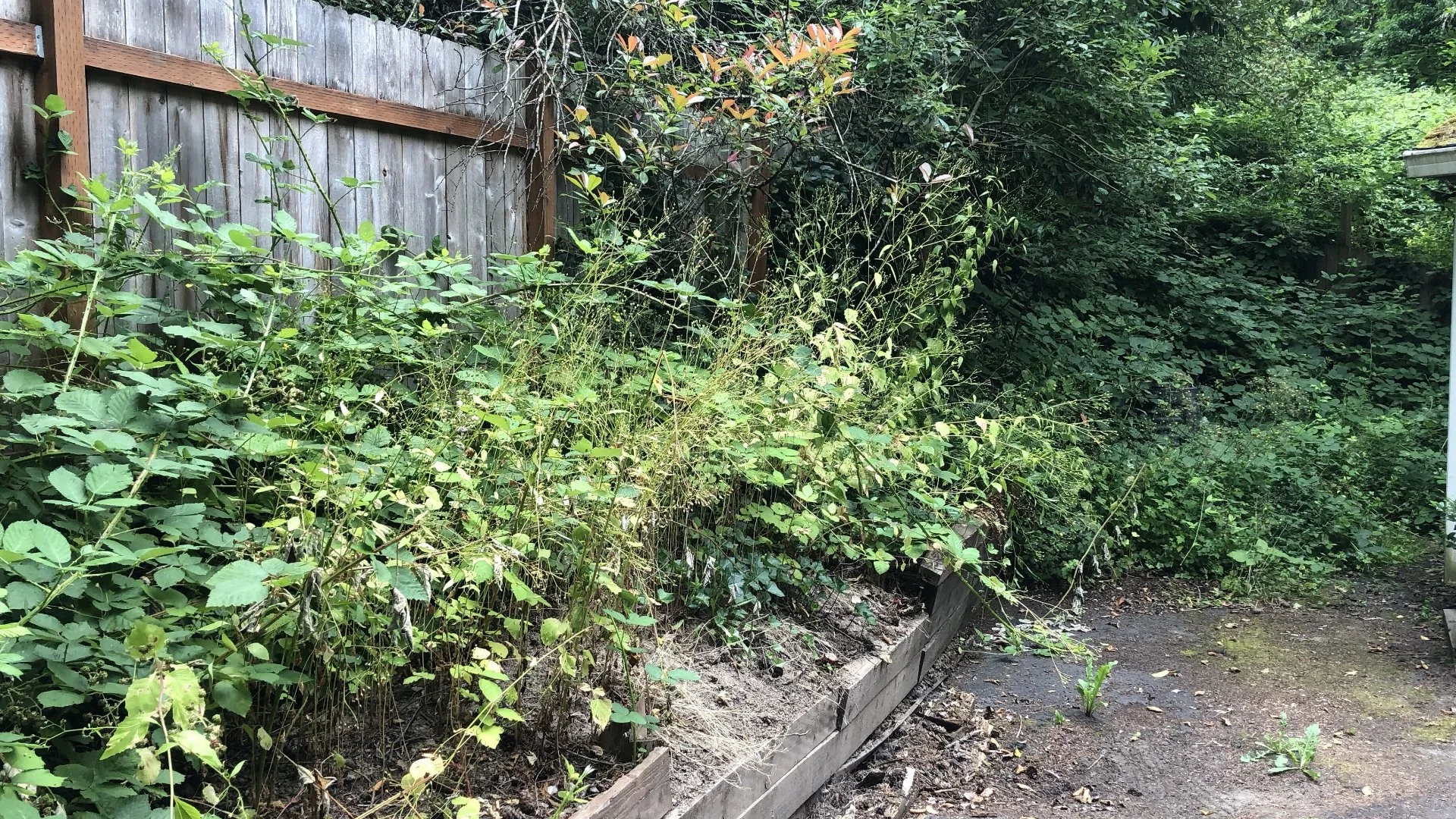
Himalayan blackberry is a highly invasive plant in Oregon that harms landscape plants by rapidly spreading and forming dense thickets. These thickets overshadow and outcompete other plants, monopolizing sunlight, water, and nutrients, which weakens and displaces native flora. This invasion disrupts local ecosystems and impacts wildlife relying on native plants. Removal is crucial to...
How Does English Ivy Harm Plants?
Published on Sunday, October 26, 2025
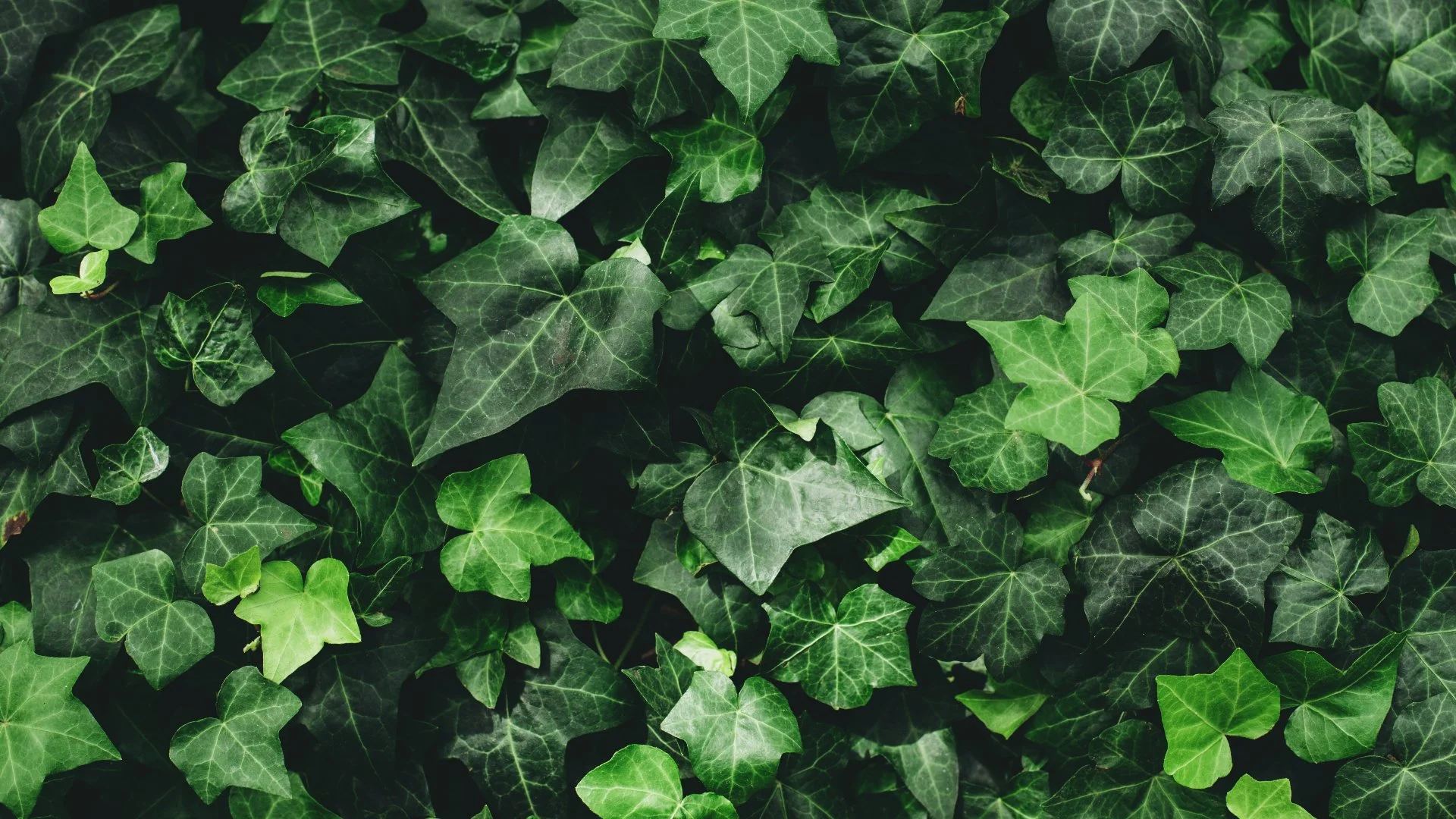
English ivy is a common invasive plant that can cause significant harm to the plants on your property in Oregon. This aggressive vine has a tendency to wrap around shrubs and trees, blocking vital sunlight from reaching them. It can also destroy the deeper root systems of existing plants, weakening their overall health. Additionally, English ivy can overtake trees, causing limbs to break...
