
 Reviews
Showing 61-70 of 231 articles.
Getting Your Lawn Ready for Aeration - What Should You Do?
Published on Monday, October 20, 2025

Aeration is an essential lawn care service that involves pulling up plugs of soil using an aerator machine to loosen compaction and make it easier for nutrients and other resources to reach the roots of your grass. However, before this process is performed on your lawn in Oregon, you should take some steps to prepare it. First, you should mow your grass shorter than usual to ensure the...
Fertilization Is an Essential Lawn Care Treatment, but Don’t Use Too Much!
Published on Sunday, October 19, 2025

Fertilization is an essential lawn care treatment to keep your lawn in Oregon healthy and green. However, it's crucial not to overuse fertilizer, as this can lead to several problems. Too much can cause fertilizer burn, where the grass becomes scorched and discolored due to excess salts. Additionally, over-fertilization can contribute to nutrient pollution, where excess nutrients run...
These Winter Weeds Can Cause Issues for Your Lawn in Oregon!
Published on Saturday, October 18, 2025
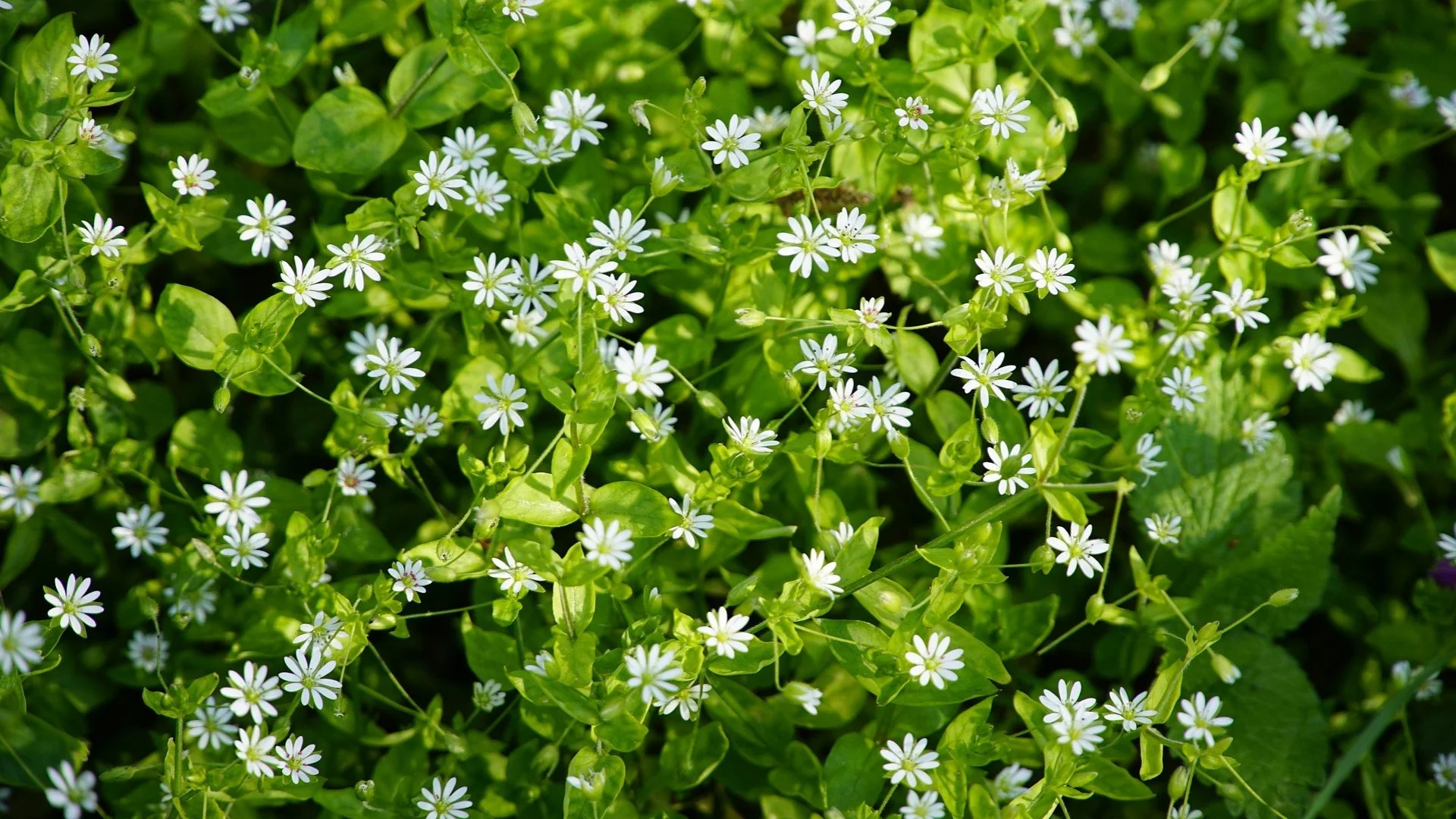
During the winter, your lawn in Oregon becomes vulnerable to various winter weeds. Chickweed is a common winter weed that forms dense mats and can quickly overtake your lawn, competing with your grass for nutrients and sunlight. Henbit is another winter weed that can cause issues for your lawn. It has square stems and small purple flowers, and it can quickly spread and take over your lawn if left ...
Things to Consider Before Planting Annual Flowers This Fall
Published on Thursday, October 16, 2025

When planting fall annuals in your landscape in Oregon, consider key factors like soil conditions, sun exposure, and color schemes. Soil health affects drainage and nutrient availability, so choose plants compatible with your soil type to ensure optimal growth and prevent health issues. Sun exposure determines which annuals will thrive; select sun-loving varieties for bright areas and...
Tips to Consider if You Want to Create a Low-Maintenance Landscape
Published on Wednesday, October 15, 2025

Maintaining a beautiful landscape can be a daunting task, especially for those with busy schedules. Fortunately, there are several ways to create a low-maintenance landscape in Oregon that requires minimal upkeep. One way to achieve this is by planting native plants, which are well-suited to the local climate and soil conditions. Another important consideration is the sun exposure and soil ...
Trimming Your Plants Is an Easy Way to Enhance Your Curb Appeal
Published on Tuesday, October 14, 2025

Trimming your plants is a great way to enhance the curb appeal of your property in Oregon. Trimming is the process of cutting back overgrowth and stray branches to give them a neat, manicured appearance. It also helps maintain their shape and size, and it can be done whenever they start to look unkempt. However, it's best to do this in the spring and fall to prepare them for the new...
What Are the Reasons to Schedule Core Aeration?
Published on Monday, October 13, 2025

Core aeration is a vital lawn care service that involves using an aerator to mechanically perforate your turf and remove small soil cores. This process is highly beneficial, as it alleviates soil compaction and reduces thatch buildup, which can otherwise inhibit its ability to absorb everything it needs. Not only that, but it also creates passageways for nutrients, water, oxygen, and sunlight to...
What Are the Signs That Your Lawn Needs to Be Fertilized?
Published on Sunday, October 12, 2025

Fertilizing your lawn is crucial to keep it healthy and beautiful, as it'll supply the nutrients it needs to thrive. However, you may not always know when it's time for another treatment. Fortunately, there are some signs to look out for that indicate your lawn in Oregon needs to be fertilized, including slow growth, yellowing, browning, or thinning grass, and an increased presence ...
What Does a Fall Yard Cleanup Service Mean?
Published on Saturday, October 11, 2025

A fall yard cleanup involves essential services to prepare your lawn and landscape in Oregon for winter. Key tasks include leaf removal to prevent suffocation from leaf piles, plant trimming for a manicured appearance, mulch replenishment for insulation and moisture retention, lawn mowing to maintain tidiness, and debris cleanup. Hiring professionals enhances results, as they provide...
What Does a Professional Core Aeration Service Involve?
Published on Friday, October 10, 2025

Core aeration is a vital lawn care process that helps your grass thrive by alleviating soil compaction and improving nutrient access. When you schedule a professional aeration service, the process involves using a specialized aerator machine to create small holes in your lawn, allowing essential nutrients, water, and air to reach the roots. Many lawn care companies in Oregon also offer...
